
Ombre hair color is a transformative style that seamlessly blends hues from roots to ends, offering both depth and dimension. Whether you’re looking to refresh your look or try something bold, this guide provides comprehensive, expert-level insight into creating and maintaining this trend.
What Is Ombre Hair Color?
The term ombre hair color describes a hue transition from darker roots to lighter ends, creating a gradual shade shift rather than harsh contrast. The word “ombré” comes from French meaning “shaded” or “shadowed”. Unlike uniform hair colouring, ombre places emphasis on the amount of contrast and smoothness of the gradation. For example, a brunette fading into caramel or blonde is a classic form. femina
Why It’s Popular
- Reduced root-maintenance: Because the roots remain darker, regrowth is less obvious.
- Dimension and movement: The gradual change adds visual texture.
- Versatility: Works across hair lengths, textures and colours.
Why Ombre Works in 2025
In 2025, the ombre hair trend is enjoying a resurgence — but with refinements that make it more wearable and modern. For instance:
- The contrast between root and tip is softer, leading to a more natural finish.
- Colour combinations are more creative (think: pastels, vivid ends) yet still blended.
- Greater emphasis on hair health and refined techniques means less damage risk.
Data Insight
From a broader beauty trends report, search interest in balayage/ombre techniques showed significant growth.
Why This Matters for You
If you want a stylish change in 2025, ombre strikes a balance between boldness and manageability. The low-maintenance aspect plus the fashionable update make it a smart choice.
Classic Ombre vs Variations
Classic Ombre
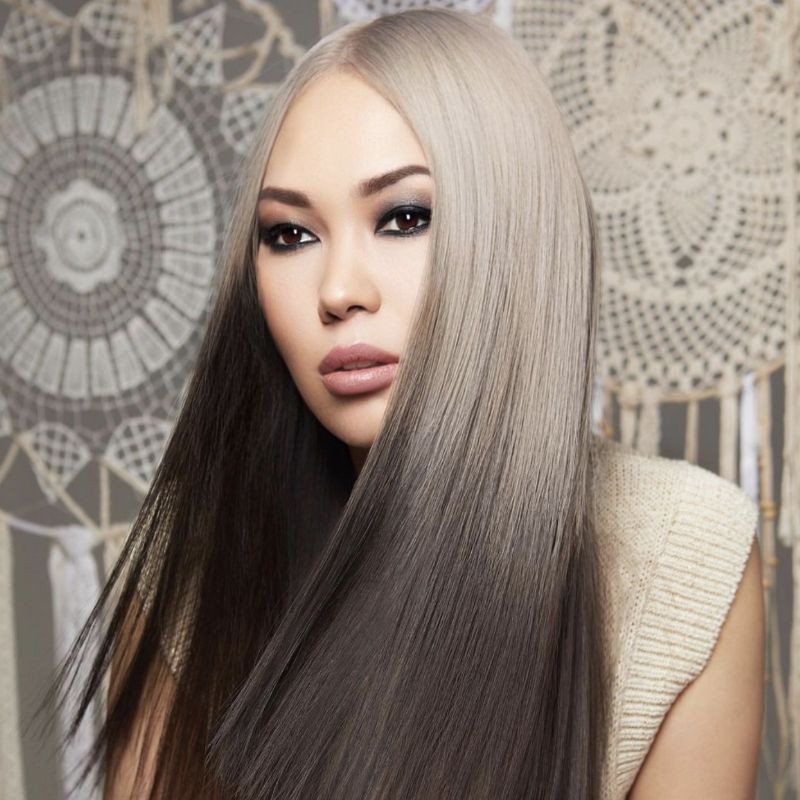
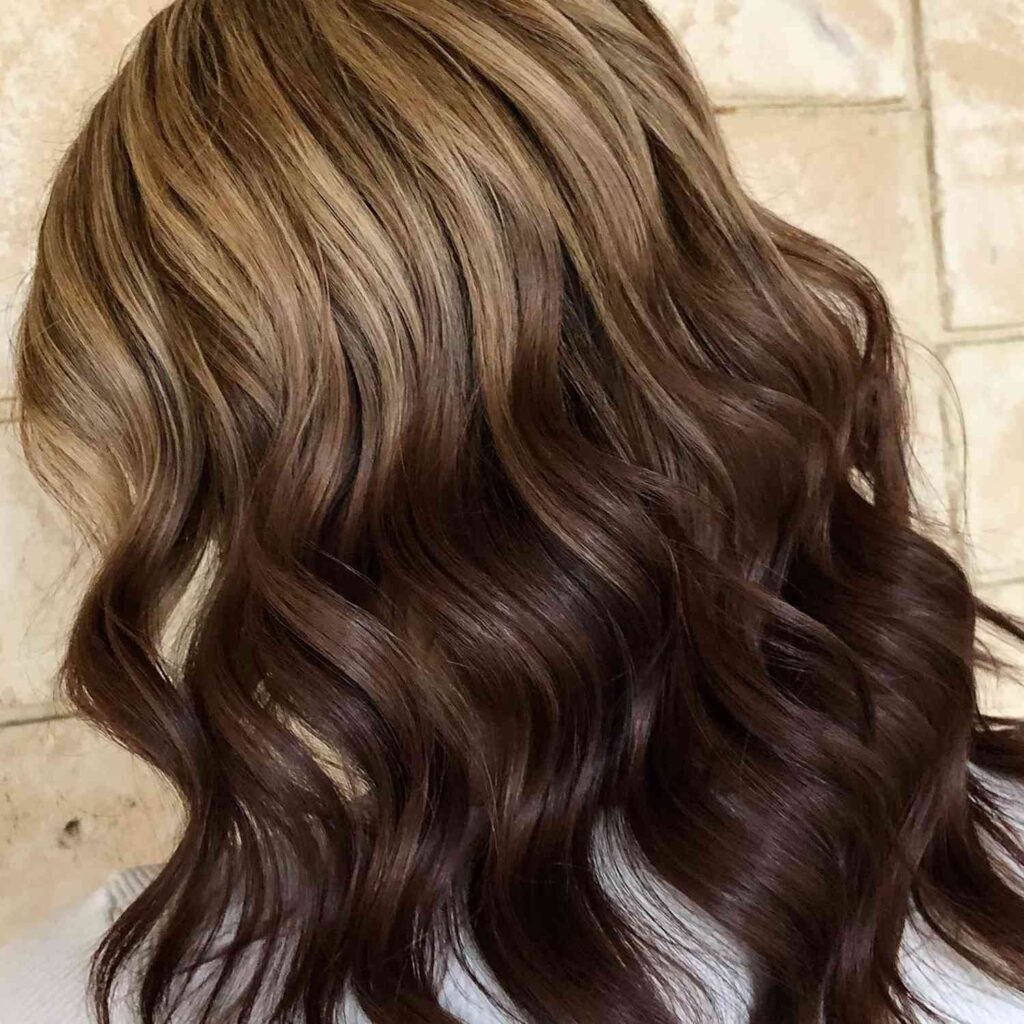
Dark-to-light in a visible gradient. Roots are one colour, ends another, with a smooth transition.
Sombre (Soft Ombre)
A subtler version — less contrast, more blend. Ideal for those who want the ombre effect without dramatic change.
Reverse Ombre
Light roots to darker ends. Less common but very trendy among those wanting an inverted gradient.
Colour-Ombre
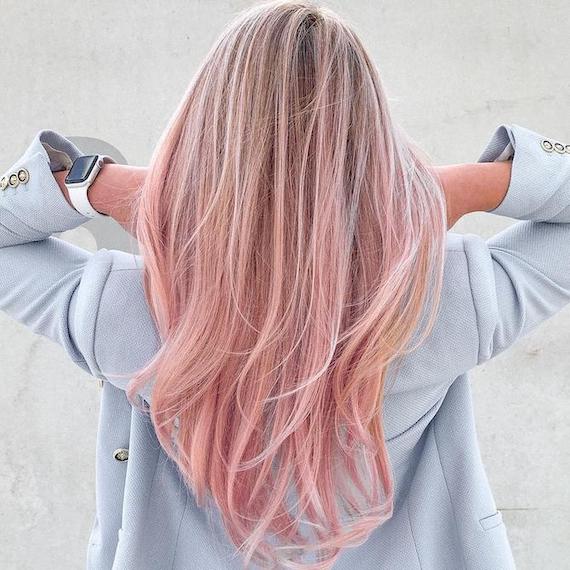
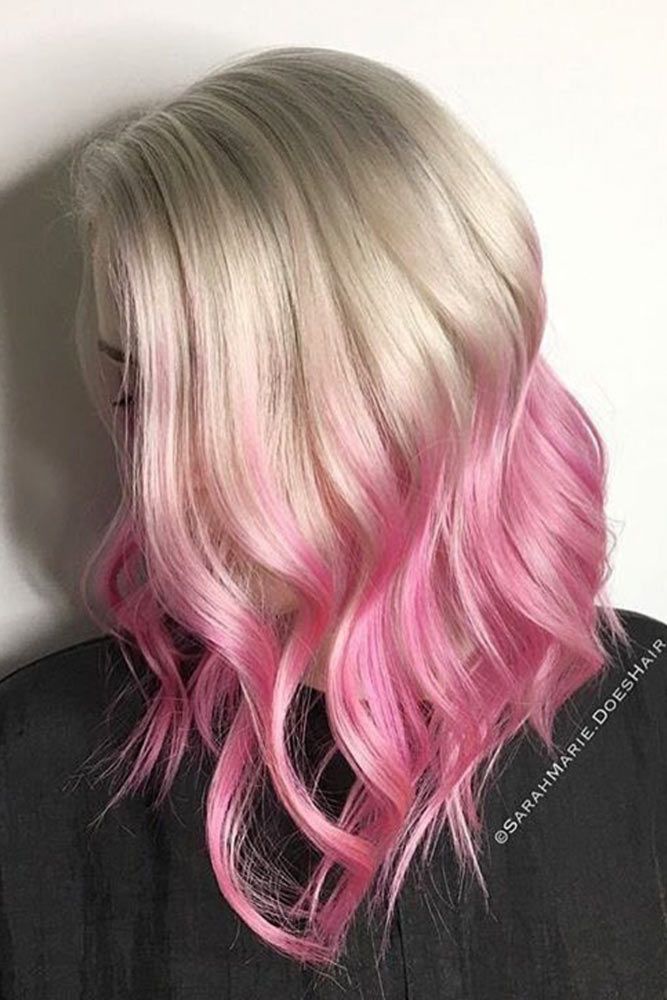
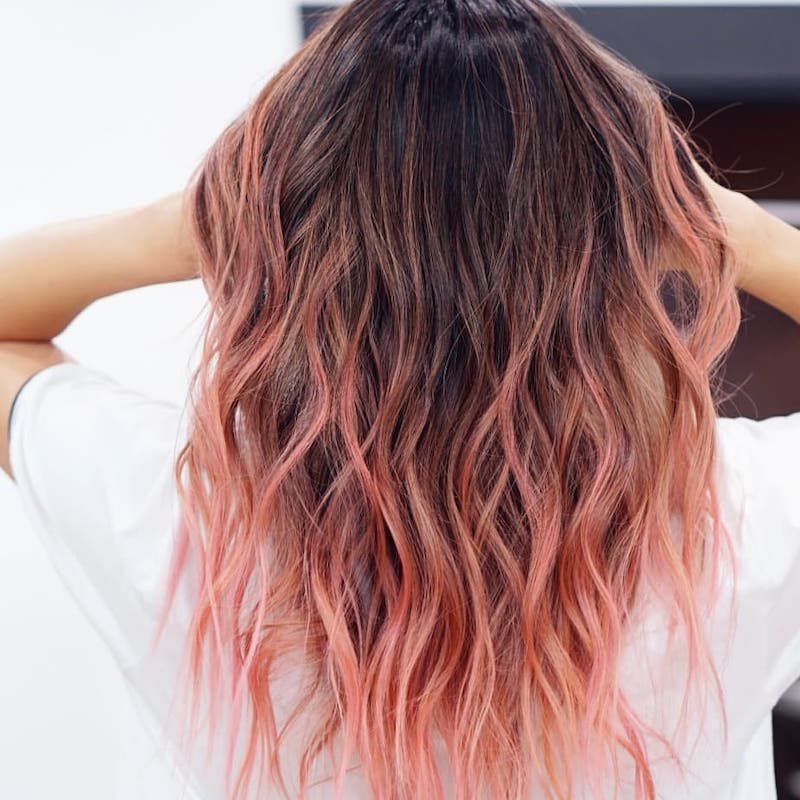
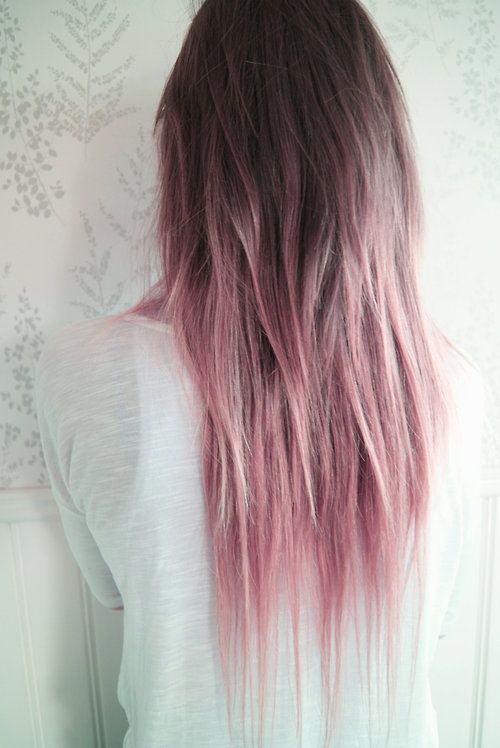
Using non-traditional hues (pastels, vivid colours) with the same gradient concept.
Variation Comparison
| Variation | Contrast Level | Best For | Maintenance |
|---|---|---|---|
| Classic Ombre | Medium to High | Those who want noticeable change | Moderate |
| Sombre | Low | Subtle & natural look | Low |
| Reverse Ombre | Medium | Trend-seekers | Moderate |
| Colour-Ombre | Variable (Bold) | Creative/lifestyle change | Higher |
Choosing the Right Ombre Shade for Your Base Colour
Selecting the right shade helps ensure your ombre flatters your tone, style and hair condition.
Base Colour Recommendations
- Black hair: Try a subtle ombre with auburn, deep caramel or soft blue-black transitions.
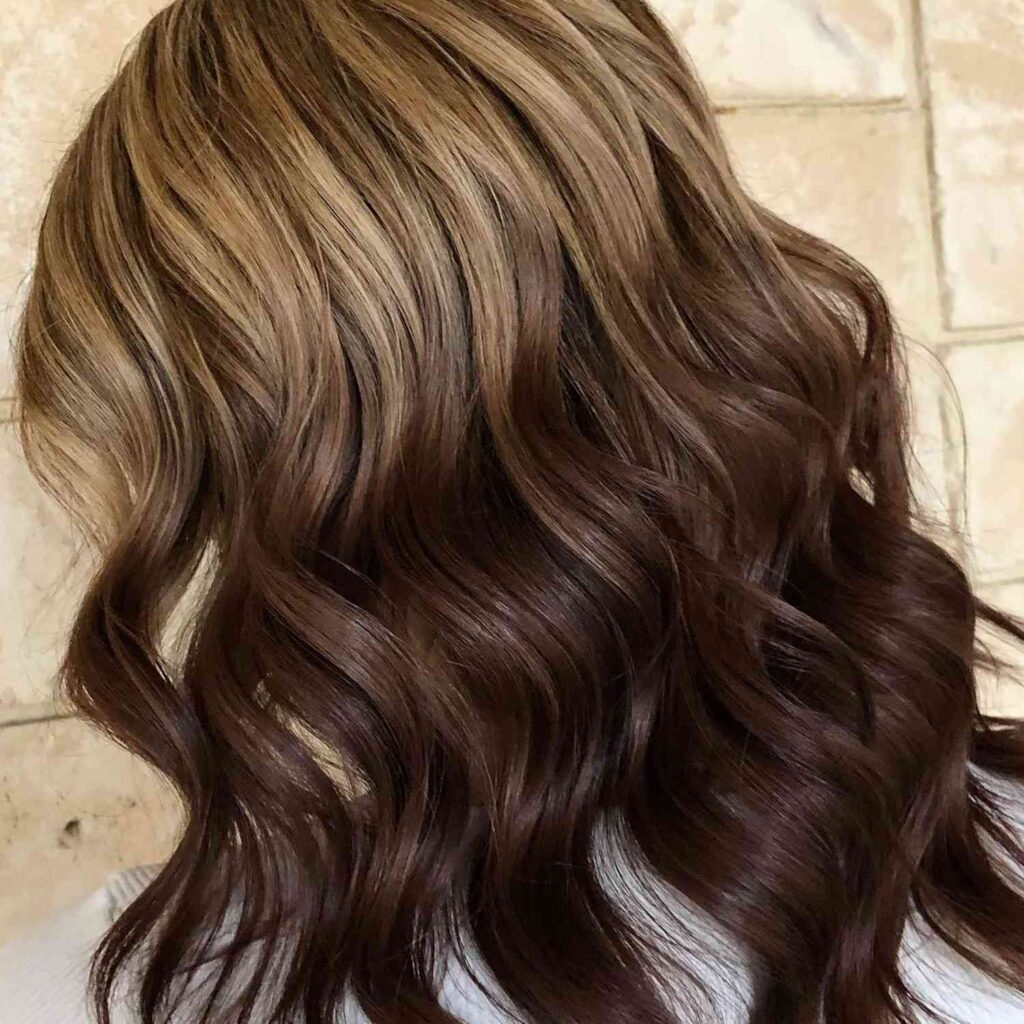
- Dark brown: Caramel, honey or warm blondes make excellent transitions.
- Medium brown: Beige blonde, light caramel — smooth, natural.
- Light brown / Dark blonde: Ash blonde, platinum or pastel tones fit here.
- Blonde: For blondes, consider subtle contrast like platinum tips or pastel ends. Strong contrast may look less natural.
Choosing Based on Skin Tone & Style
Think about your undertone (warm/cool) and how bold you want the effect. For instance, warm skin tones often suit golden or honey transitions; cooler skins suit ash or platinum.
Consider Hair Length & Texture
Longer hair shows off the gradient better, but even shorter cuts benefit — just keep the transition zone short.
Step-by-Step: How to Achieve Ombre (Salon & DIY)
In a Salon Setting
- Consultation: Assess hair condition, natural colour, desired end result.
- Pre-lightening (if needed): Especially for darker hair moving to very light tips.
- Application: Freehand painting or foiling to ensure soft transition.
- Toner/colour on ends: To achieve desired hue and neutralise unwanted tones.
- Finish & Advice: Cut or trim ends, styling and after-care instructions.
At-Home DIY (If You Choose)
- Choose a shade 1-2 levels lighter than your base if you’re new.
- Section hair, protect your clothes/skin, apply colour from mid-lengths to ends.
- Use a technique called “back-combing” or teasing above transition line to soften any harsh line.
Safety & Hair Health Notes
- Always do a strand test.
- If your hair has previous chemical treatments, proceed with extra caution.
- Use quality lightener/colour; protect your scalp.
- If trying bold transitions (e.g., black → blonde), a pro is strongly recommended.
Maintenance & After-Care for Ombre Hair
Maintaining your ombre ensures it looks fresh and vibrant over time.
Key Care Tips
- Use sulphate-free coloured-hair shampoos to preserve fade.
- Use purple or blue shampoo if creating blonde or ash ends to control brassiness.
- Limit heat styling to reduce damage.
- Deep condition and use hair masks to restore moisture.
- Touch-ups: Because roots remain natural, traditional root touch-ups aren’t always needed — major plus.
When to Visit the Salon
- When ends become dry, break or overly brassy.
- When you want to refresh the tone or adjust shade.
- For trimming and maintaining a polished overall look.
Trend-Setting Ombre Ideas for 2025
Natural Sun-Kissed Ombre
Low contrast gradients that mimic natural lightening — especially on brunettes to caramel or honey.
Pastel or Vivid Ombre
Soft pastel ends (pink, lavender, peach) or vivid ends (blue, green) paired with darker base.
Reverse Ombre
Lighter root moving into darker ends for a bold, contemporary twist.
Shadow Root + Ombre Combo
Keeping the root darker for longer into the transition zone to add softness and reduce maintenance.
Soft Contrast Ombre for Short Hair
Even a bob or lob can sport ombre by shortening the transition zone and choosing gentle colour shifts.
Frequently Asked Questions (FAQs)
Q1: Is ombre the same as balayage?
No. The term “ombre hair colour” refers to the look (gradient transition) while “balayage” is a colouring technique (hand-painting highlights). Who What Wear
Q2: Will doing ombre damage my hair?
Any lightening process carries risk. With proper technique, toning and hair-care, the damage can be minimised. If your hair is already compromised, consult a professional.
Q3: How often does an ombre need touch-up?
One of ombre’s benefits is lower root maintenance. However, ends may require toning or glossing every few months.
Q4: Can I do ombre on short hair?
Yes — while longer hair better shows the gradient, shorter cuts can still feature ombre by adjusting depth and placement.
Q5: What if my natural hair colour is very dark and I want very light tips?
This will likely require pre-lightening/bleaching, possibly in stages. Consult a pro to assess hair health and plan properly.
Conclusion
Ombre hair color is a timeless yet evolving technique that works beautifully in 2025 for anyone seeking style with substance. By choosing the right shade, understanding the technique, and investing in quality after-care, you can achieve a look that not only catches eyes but also stands up over time with less fuss.
If you’re updating your style, consider linking back to your homepage, explore our nail techniques section for coordinating looks, check out our outfits page for styling ideas, or review wedding dresses and innerwear ideas to complete your personal aesthetic.
Embrace this gradient-rich trend, and let your hair reflect your personality and colour story.