
1920s fashion trends for women marked one of the most dramatic shifts in clothing history. After World War I ended, women across North America and Europe began rejecting the restrictive corsets and floor-length skirts of previous decades. They wanted freedom, movement, and self-expression through their wardrobes.
The 1920s, often called the Roaring Twenties or the Golden Age of fashion, brought shorter hemlines, looser silhouettes, and bold accessories. Women entered the workforce in larger numbers. They gained voting rights. They danced to jazz music in speakeasies during the Prohibition era. Their clothing reflected this newfound independence.
This guide covers everything you need to know about how women dressed during this remarkable decade. From casual everyday fashion to formal evening wear, you will discover the key styles, designers, and cultural influences that shaped this era.
What Was Fashion Like in the 1920s
The 1920s represented a complete break from Victorian and Edwardian fashion rules. Women traded tight waists and long skirts for straight, boyish silhouettes. The ideal body shape shifted from curves to a slim, athletic figure.
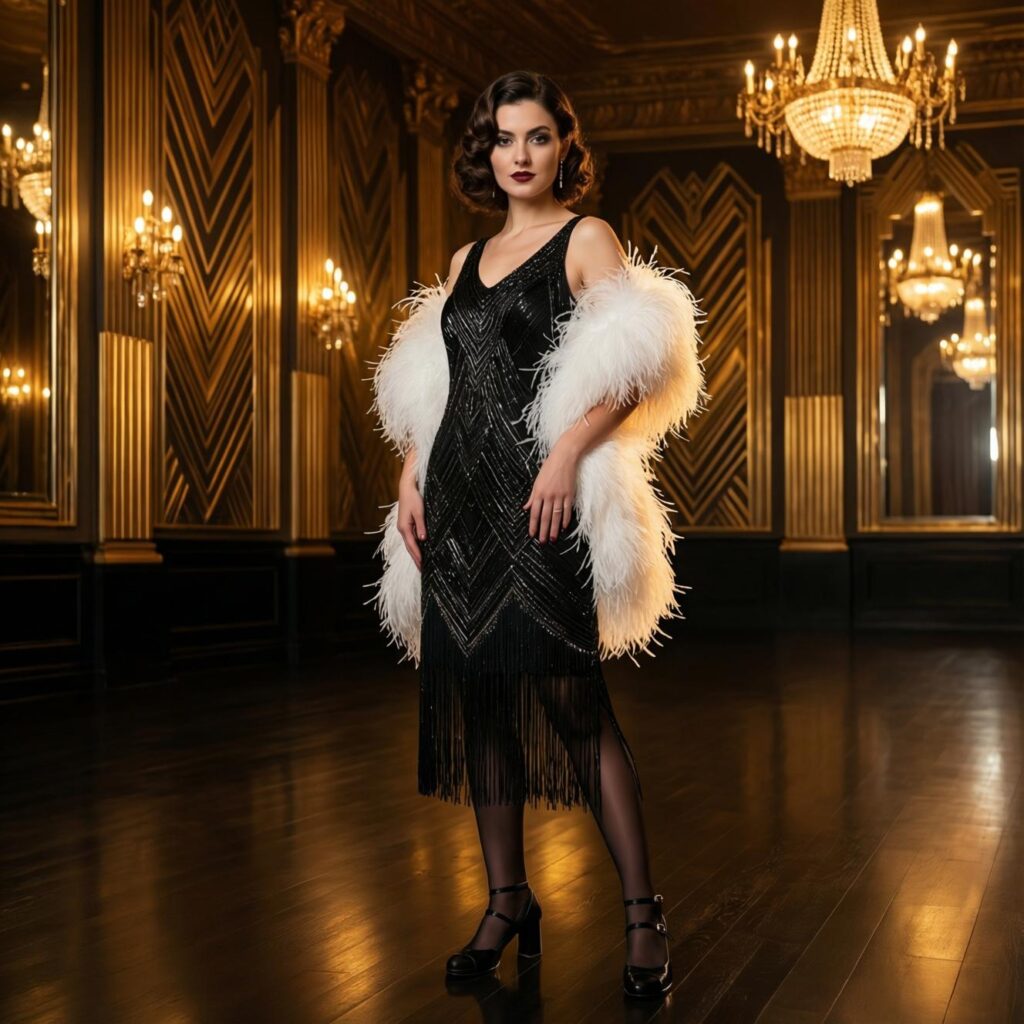
Several factors drove these changes:
- Economic growth after WWI created a consumer culture
- Women in the workforce needed practical clothing
- Jazz culture demanded outfits suitable for dancing
- Social liberation encouraged bolder style choices
In Paris, designers like Gabrielle Coco Chanel and Jeanne Lanvin led the fashion revolution. They created garments that allowed women to move freely. Hemlines rose from ankle length to knee length. Waistlines dropped to the hip. Sleeves became shorter or disappeared entirely.
The decade also saw the rise of ready-to-wear clothing. Department stores in New York, Chicago, and London made stylish clothes accessible to middle-class women. Fashion magazines brought Paris trends to homes across the world.
Key Clothing Styles of the Decade
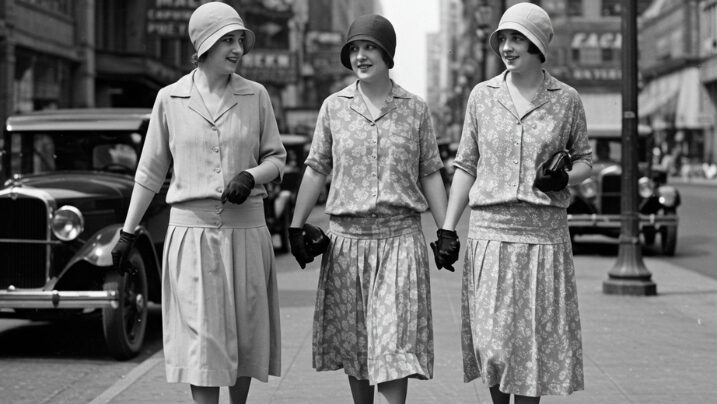
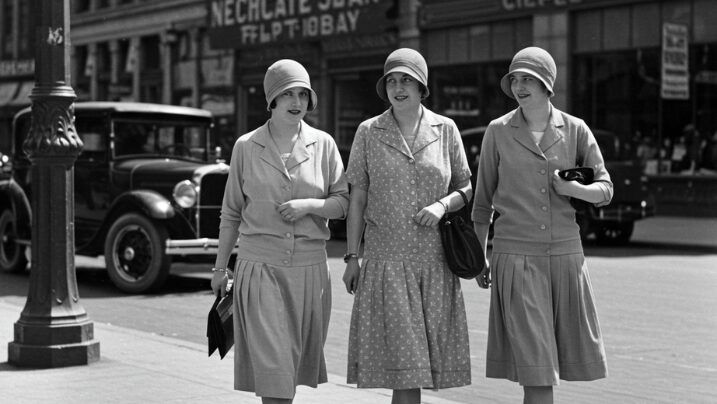
Knee-Length Tubular Day Dresses
The tubular day dress became the signature silhouette of the decade. These dresses featured:
- Straight, loose fit from shoulder to hem
- Dropped waistline at the hip
- Hemlines hitting at or just below the knee
- Simple necklines, often round or V-shaped
- Short or cap sleeves
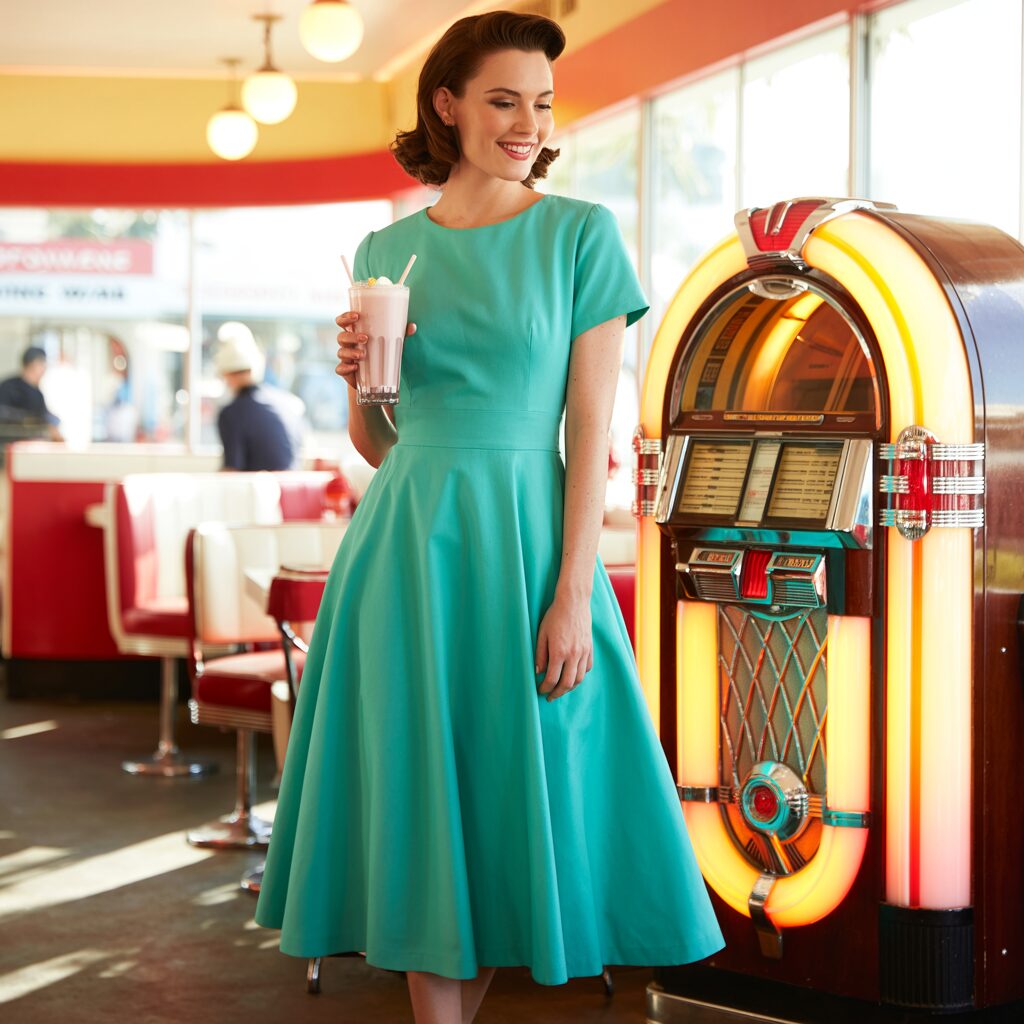
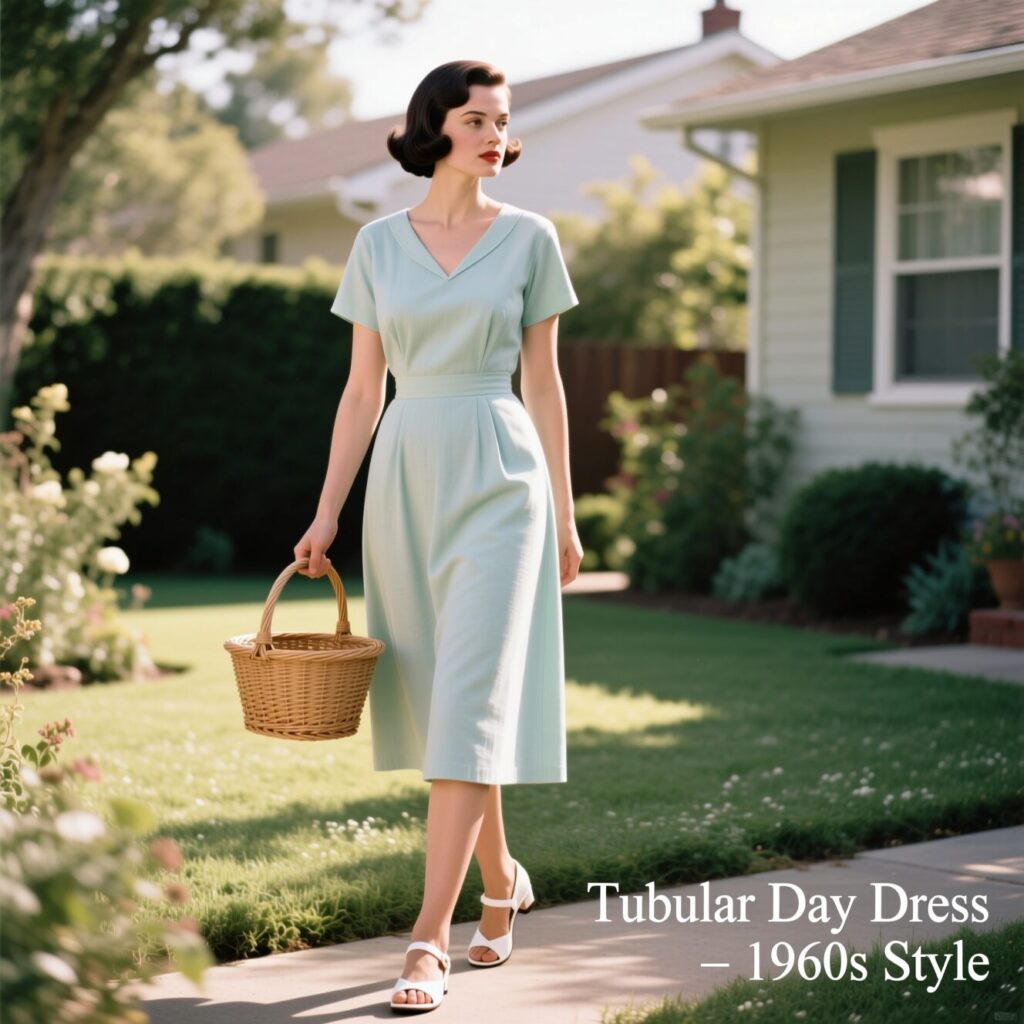
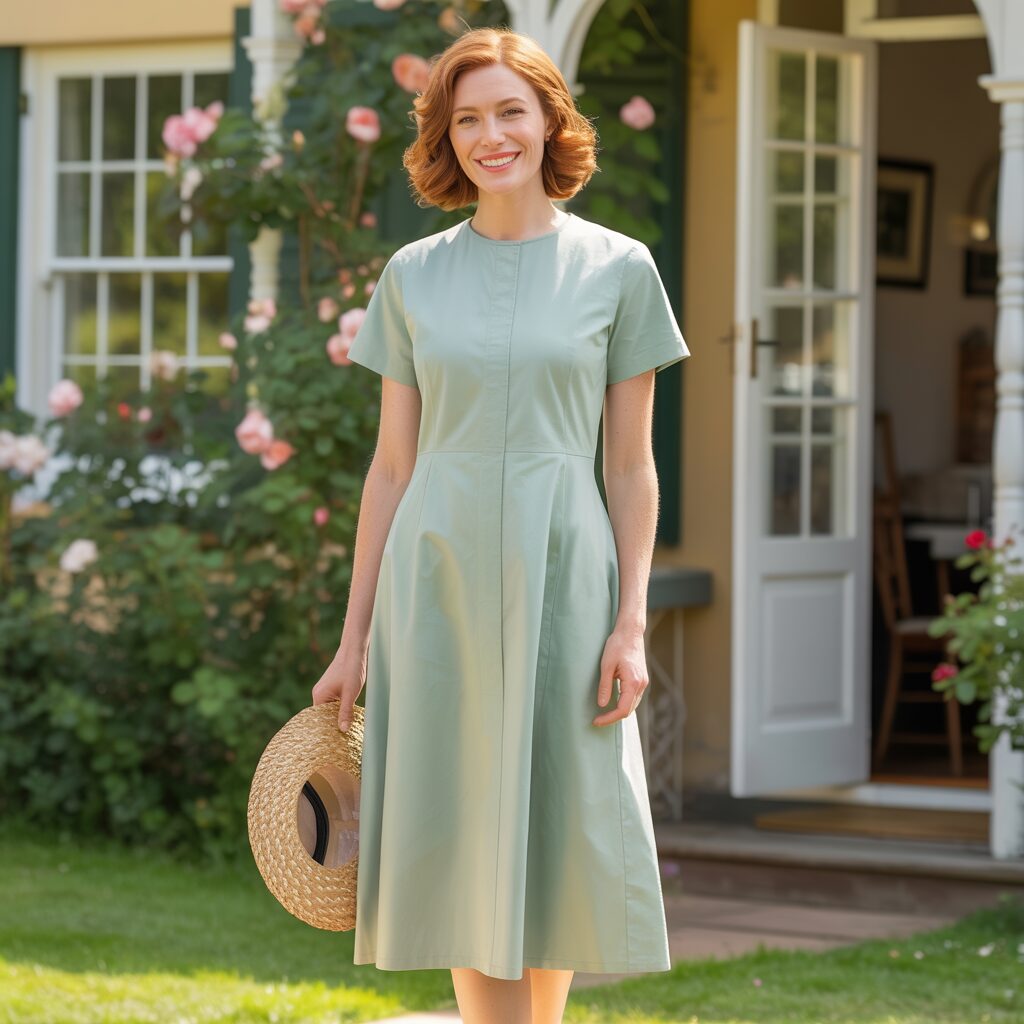
Women wore these dresses for shopping, lunch dates, and social visits. The simple cut made them easy to sew at home, which many women did to save money.
House Dresses for Daily Wear
1920s everyday fashion included practical house dresses for domestic tasks. These cotton or linen garments featured:
- Button-front or wrap closures
- Pockets for convenience
- Simple prints like gingham or florals
- Comfortable loose fit
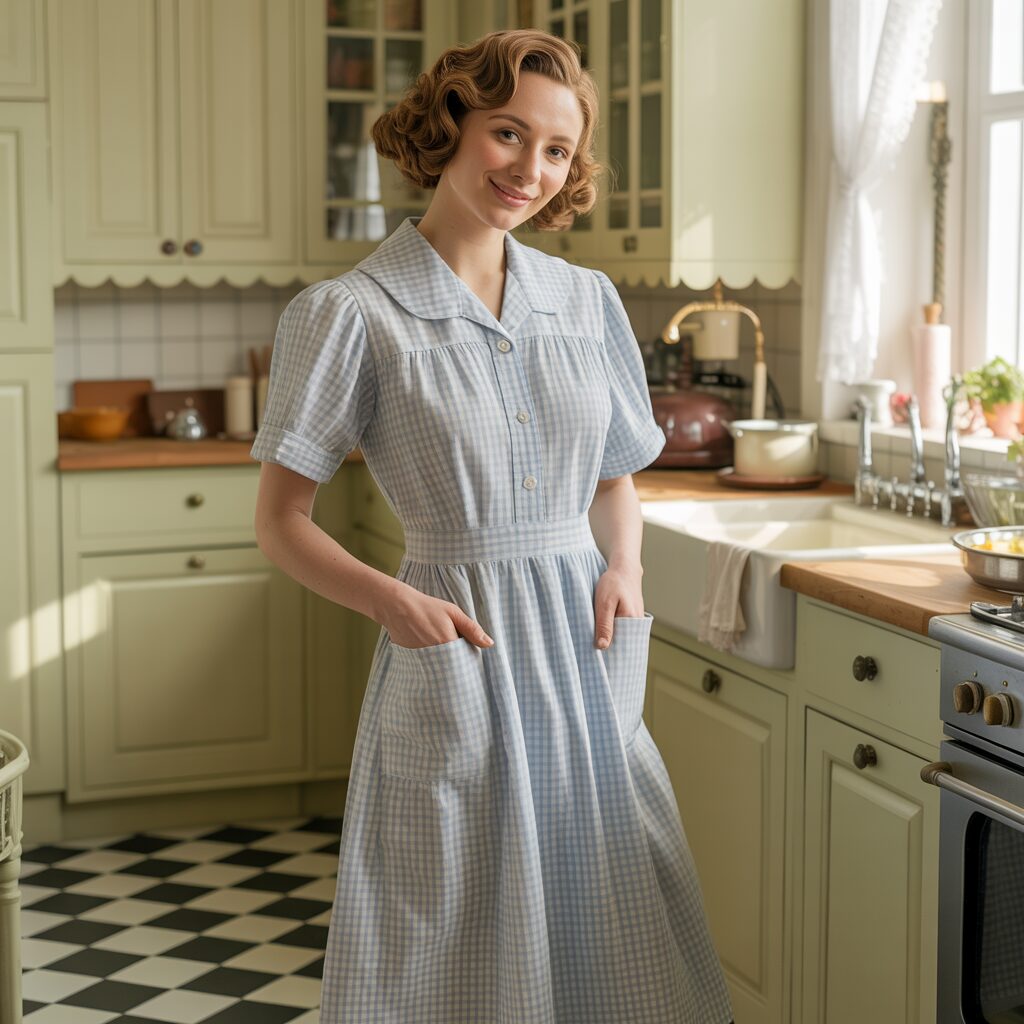
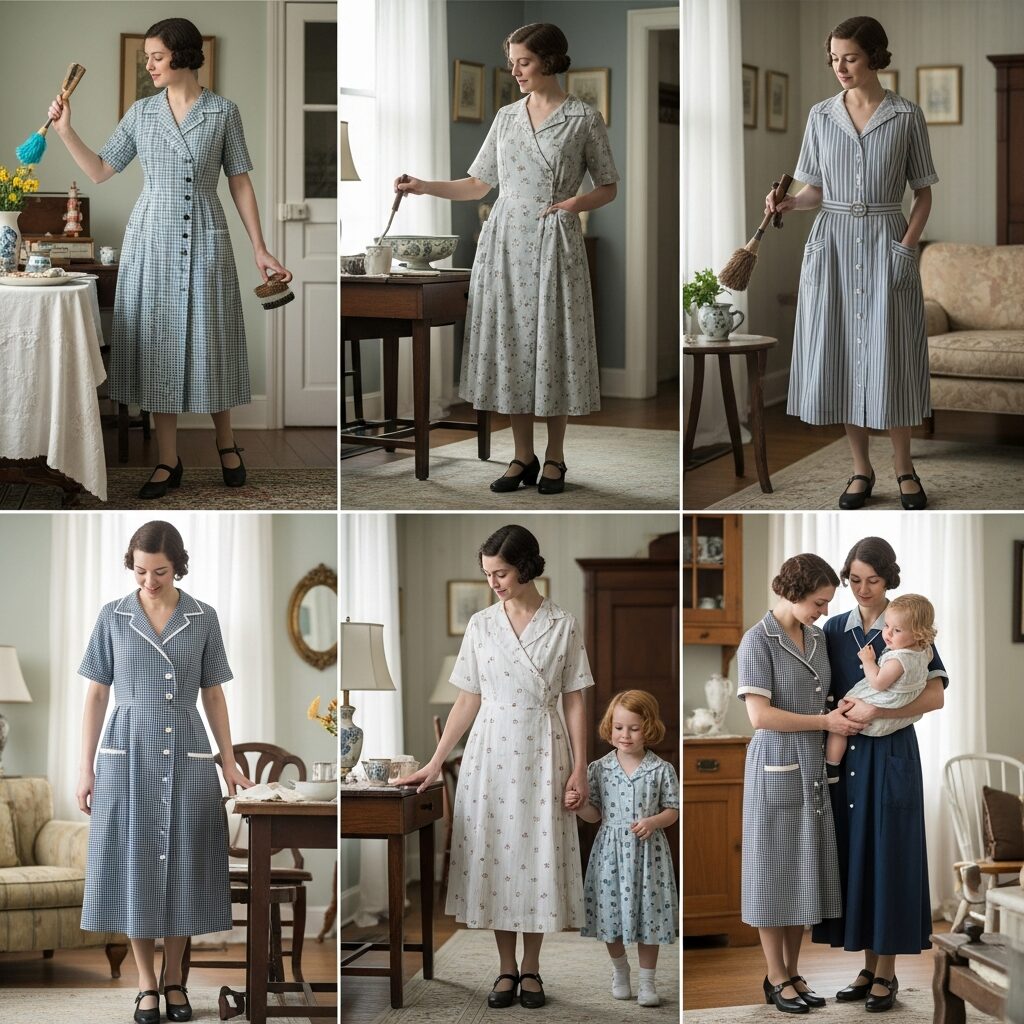
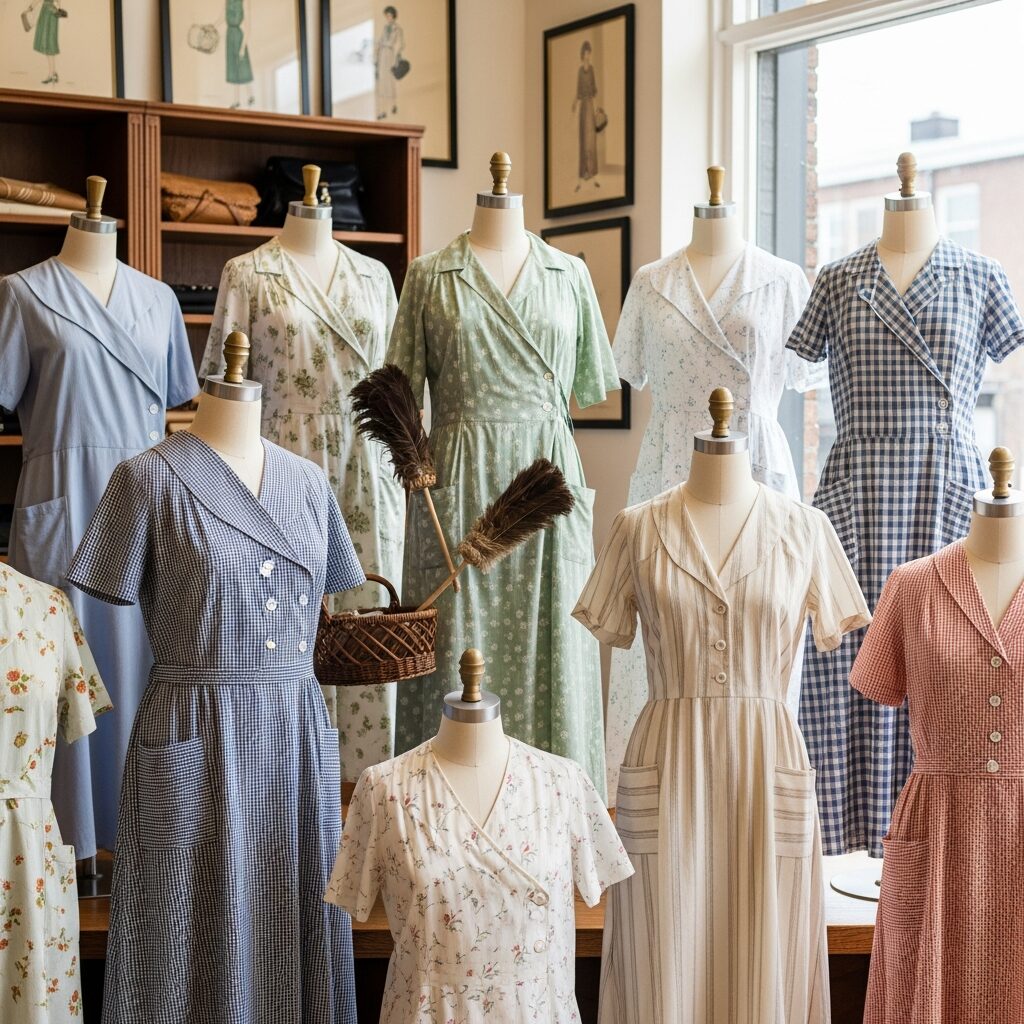
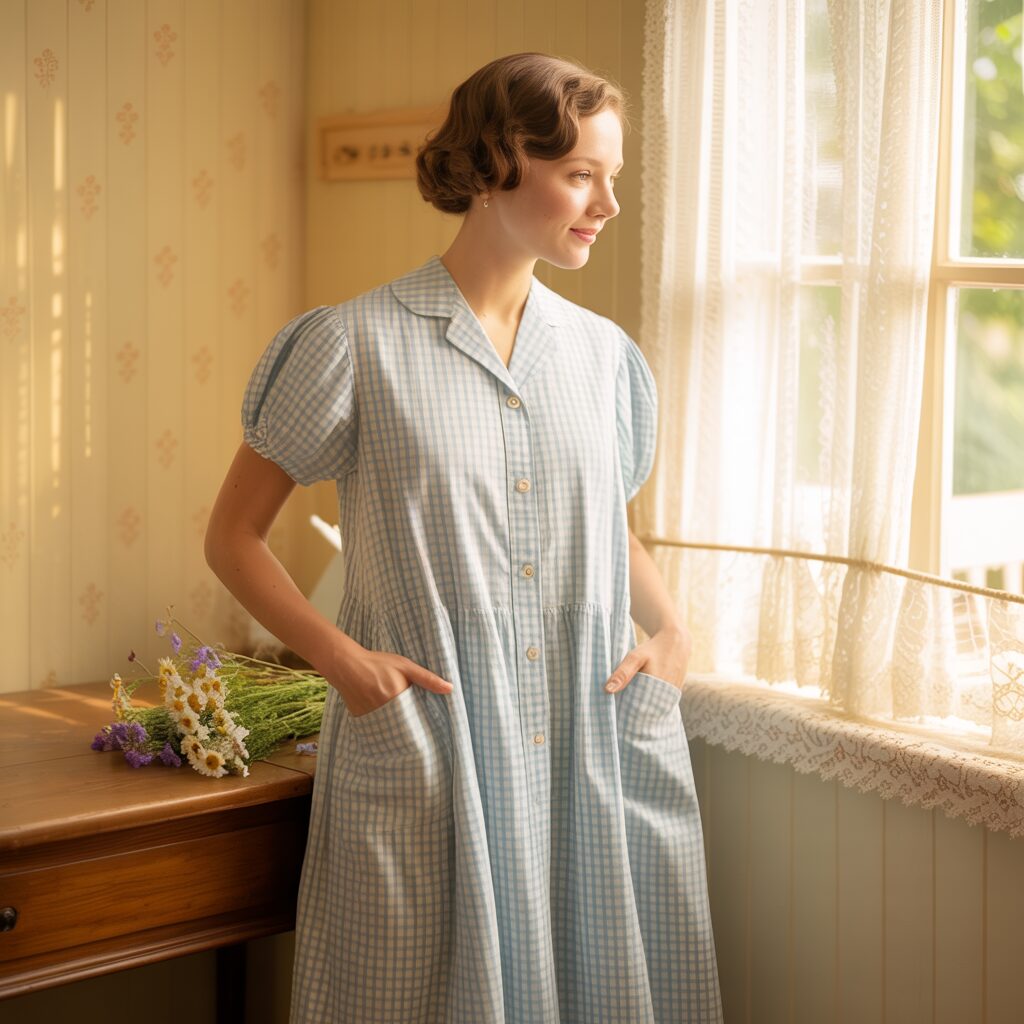
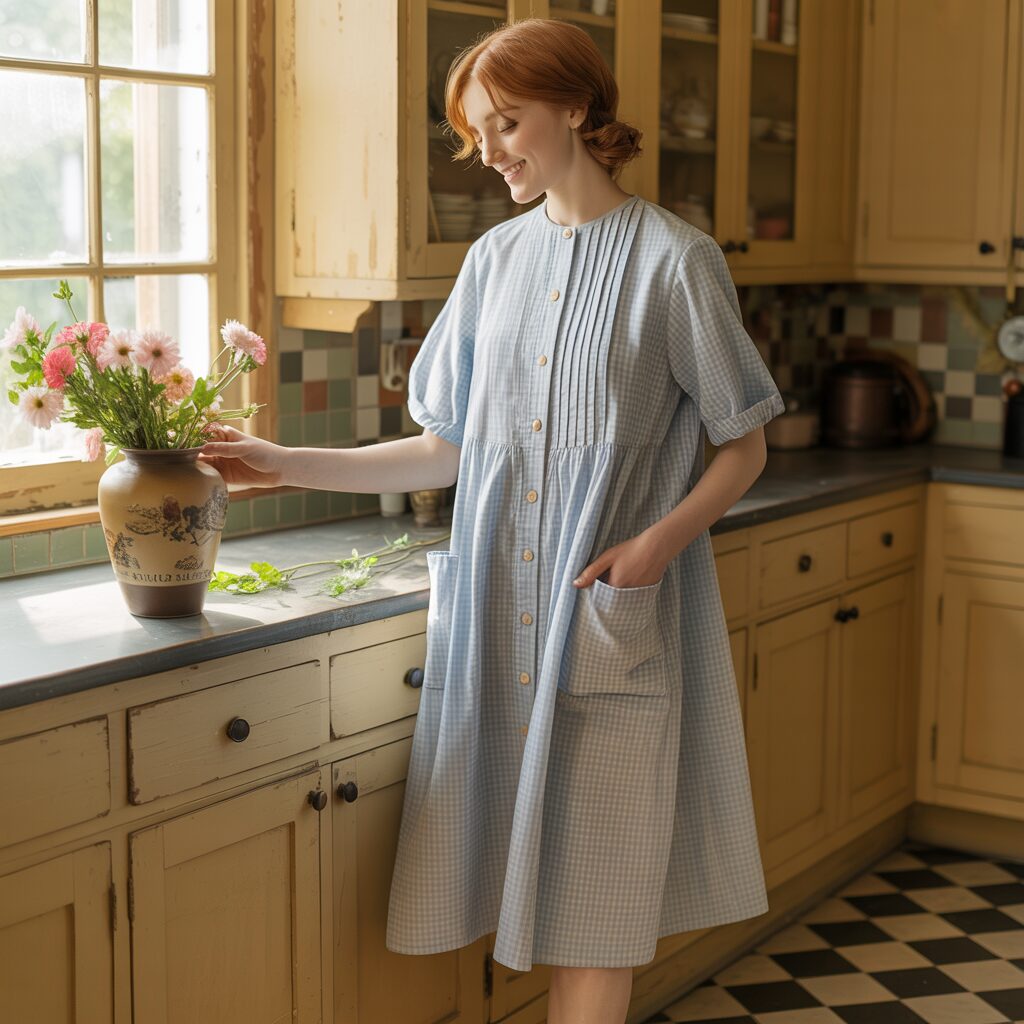
House dresses allowed women to complete household chores while still looking presentable. They represented the practical side of the 1920s fashion women’s casual style.
Formal Dresses for Evening Events
Evening wear took on dramatic flair during this period. Formal dresses featured:
- Sheer layered fabrics like chiffon and silk
- Elaborate beading and sequin work
- Fringe trim that moved with the wearer
- Low backs and plunging necklines
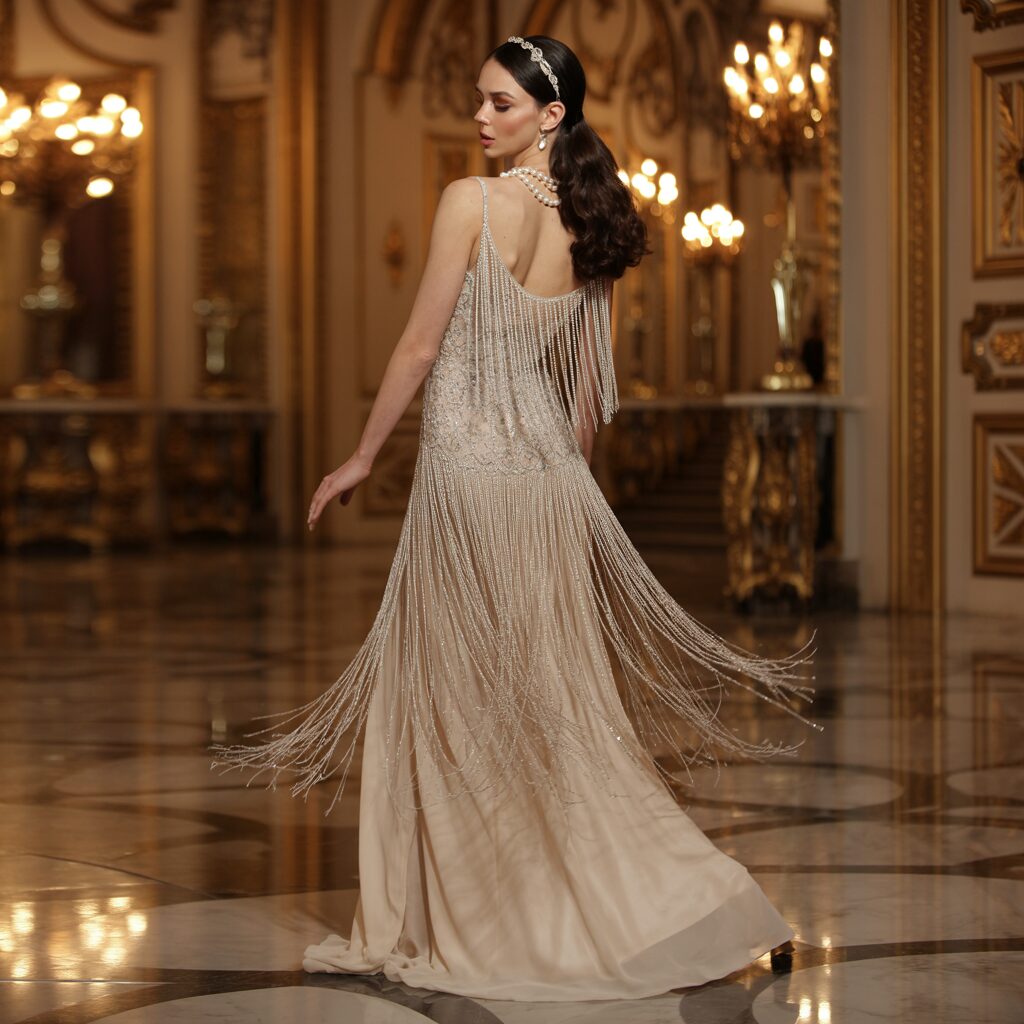
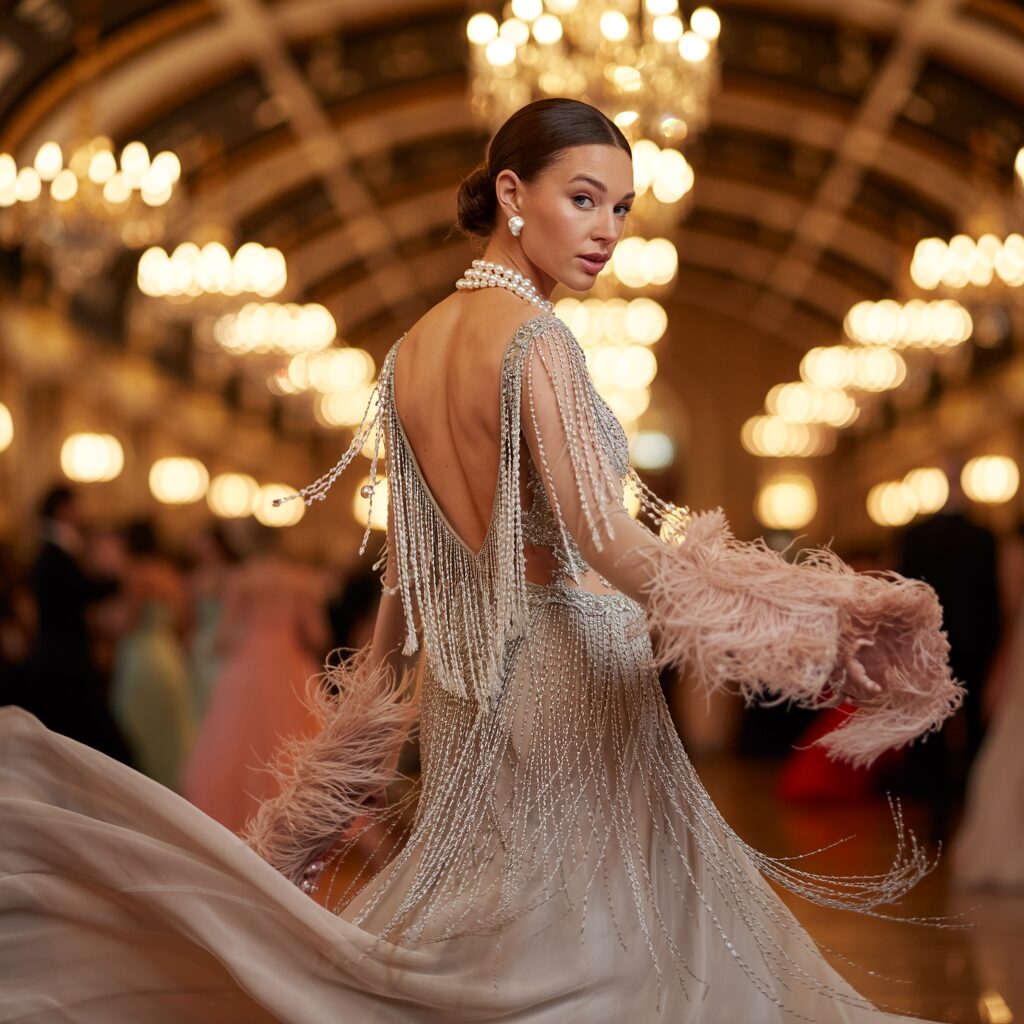
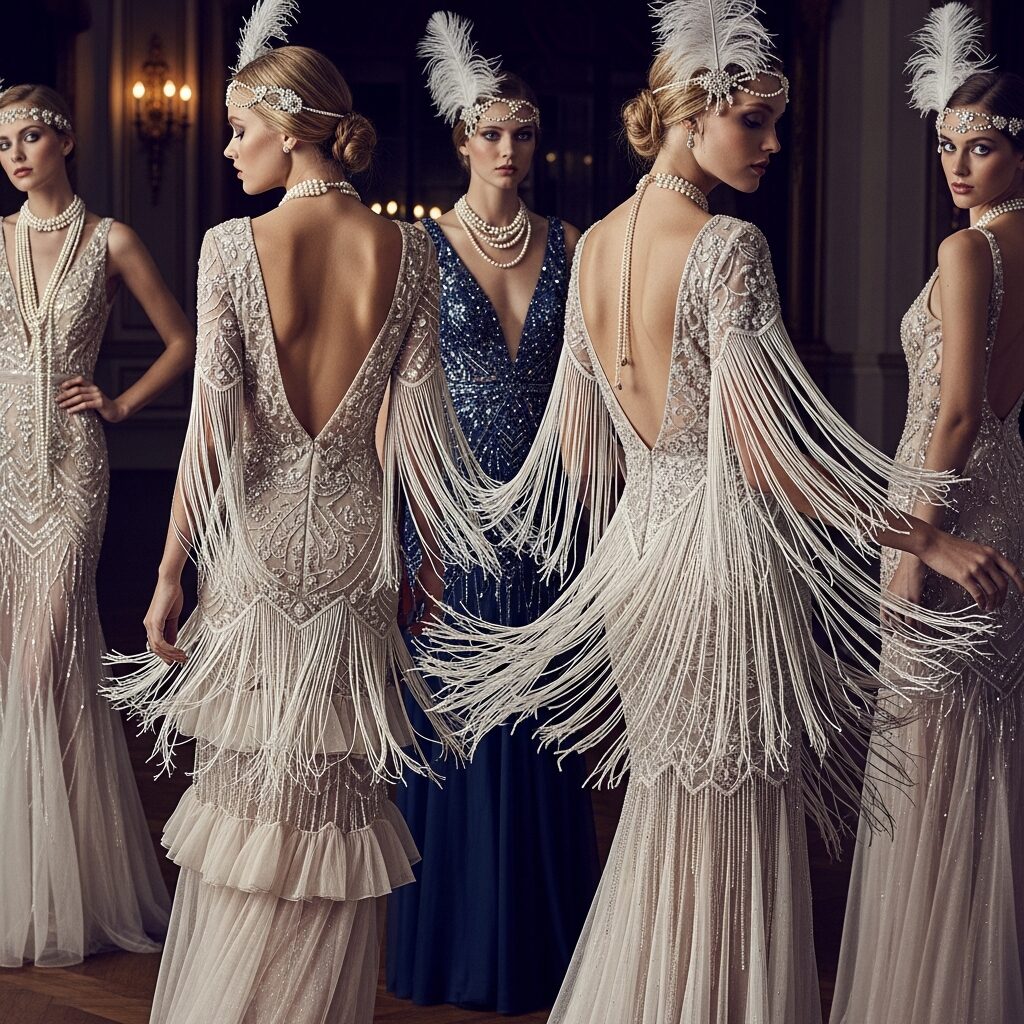
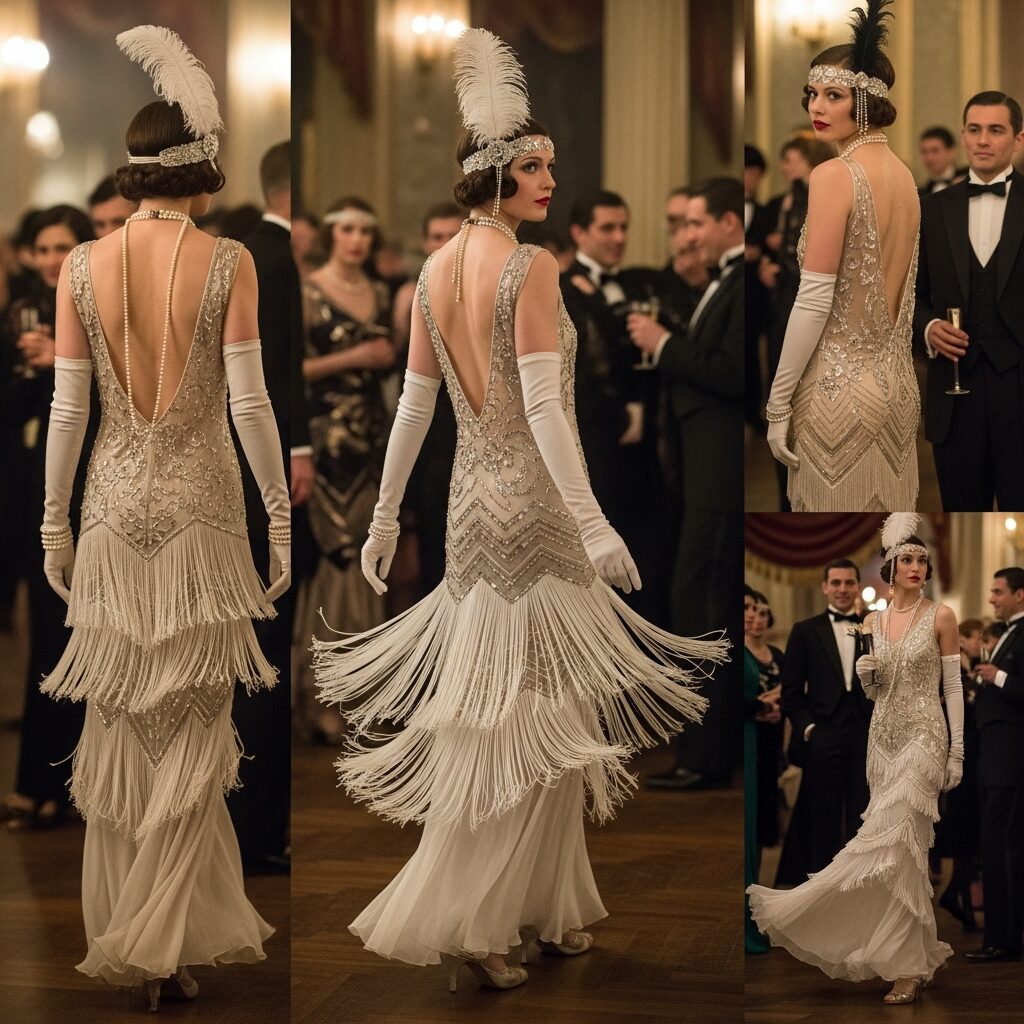
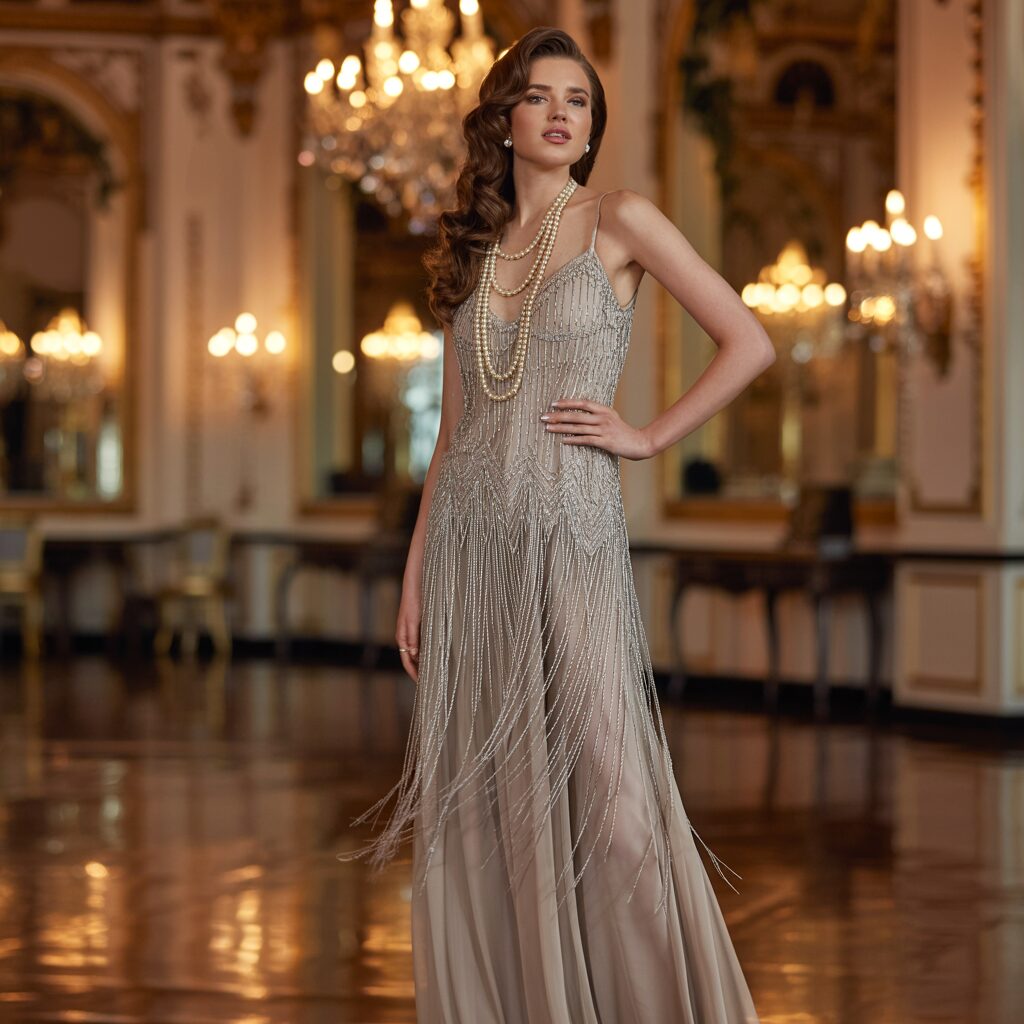
These glamorous gowns appeared in ballrooms, theaters, and nightclubs across major cities. Women accessorized with long strands of pearls, feather boas, and beaded headbands.
The Flapper Style Revolution
No discussion of 1920s fashion trends for women is complete without addressing flapper style. Flappers were young women who embraced modern attitudes about behavior and dress. They smoked cigarettes, drank alcohol, danced to jazz, and wore clothing their mothers found scandalous.
Defining Characteristics of Flapper Fashion
- Short, bobbed hairstyles
- Heavy makeup, including dark lipstick and kohl-lined eyes
- Straight, loose dresses with dropped waists
- Exposed arms and legs
- Bold accessories like long cigarette holders
The flapper look represented rebellion against traditional femininity. These women rejected the idea that they should dress modestly and behave demurely. Their clothing choices announced their independence to the world.
Where Flapper Fashion Thrived
Flapper culture centered in urban areas like New York, Chicago, Paris, and Berlin. Jazz clubs, speakeasies, and dance halls became showcases for the latest flapper styles. The Charleston and other popular dances required dresses that allowed energetic movement.
1920s Fashion Women Casual Everyday Looks
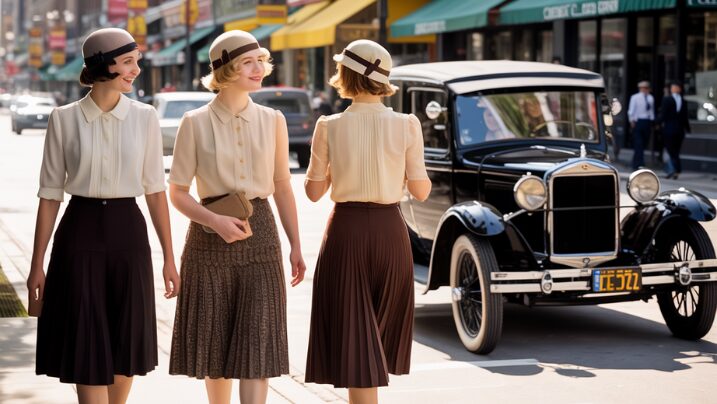
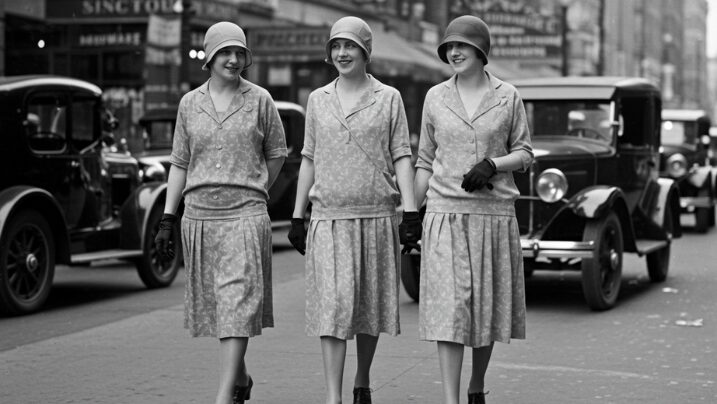
Not every woman dressed like a flapper. The majority of women needed practical, affordable clothing for daily life. 1920s fashion women’s casual style balanced current trends with wearability.
Daytime Separates
Many women built their wardrobes around separate pieces:
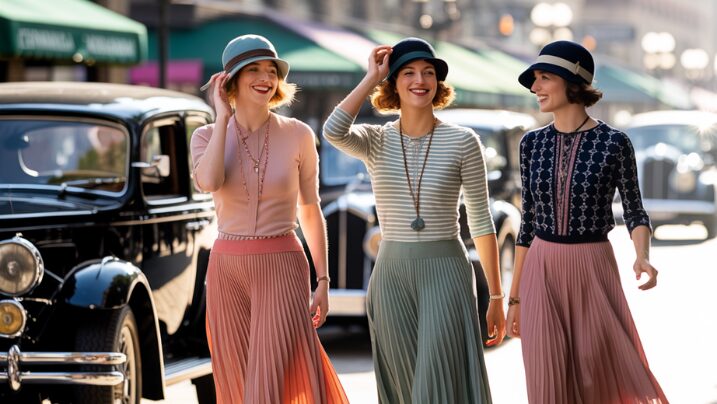
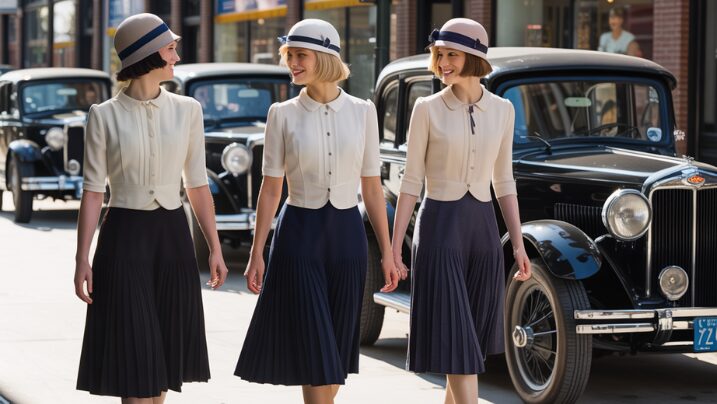
- Middy-style tops inspired by sailor uniforms
- Pleated knee-length skirts in wool or cotton
- Separate sweater and skirt combinations for versatility
- Knickerbockers with sweater vests for athletic activities
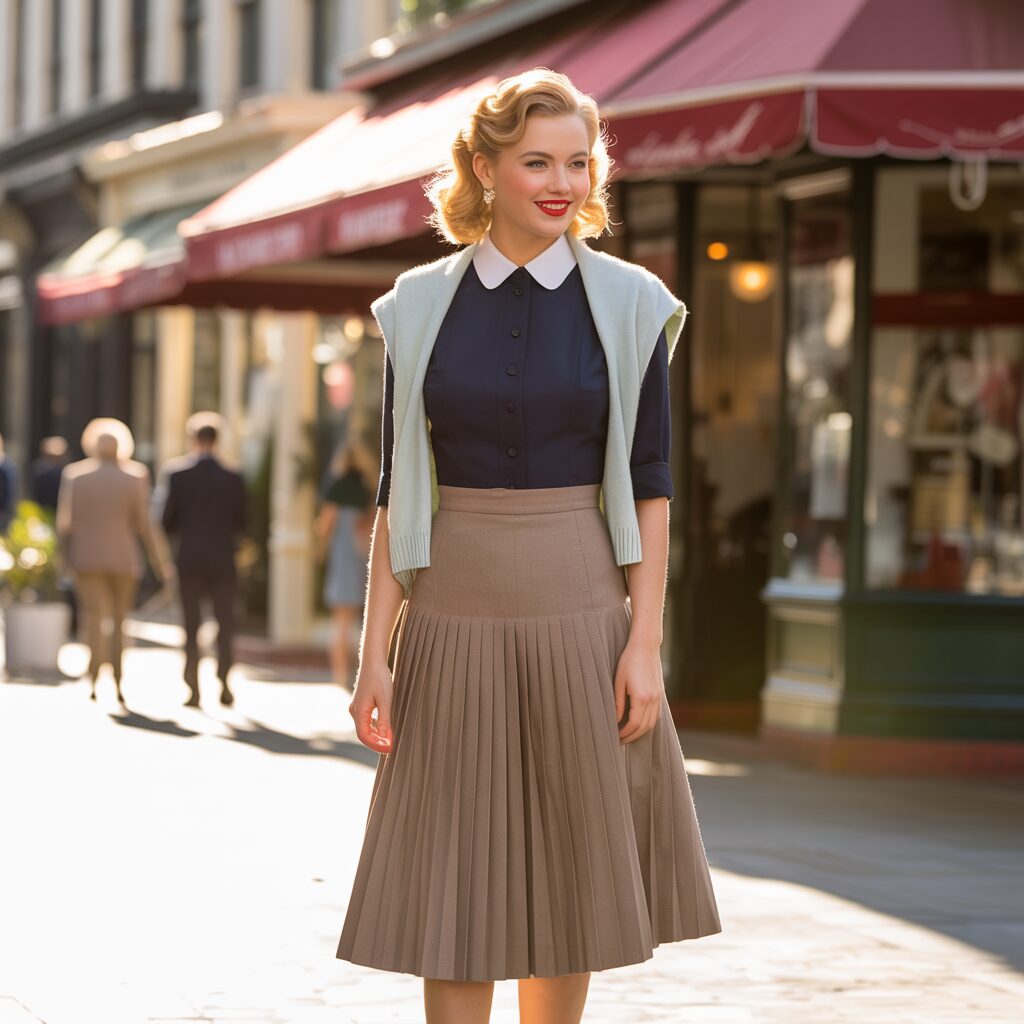
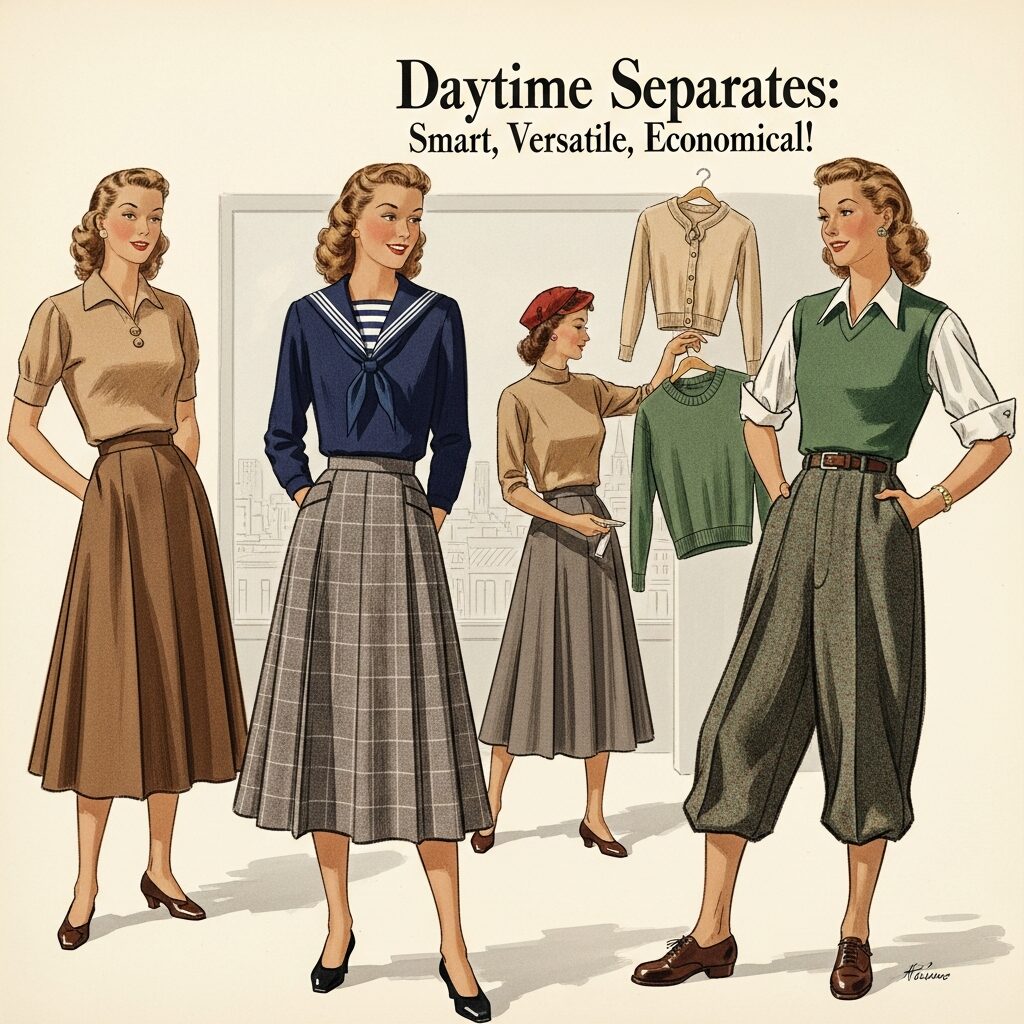
These pieces are mixed and matched to create multiple outfits from a limited wardrobe. Working women appreciated the practicality and economy of this approach.
Sportswear and Athletic Wear
The 1920s saw women participating in sports like tennis, golf, and swimming in greater numbers. Athletic wear became fashionable beyond the playing field:
- Shorter skirts for tennis
- Knitted bathing suits
- Golf sweaters and pleated shorts
- Comfortable flat shoes for walking
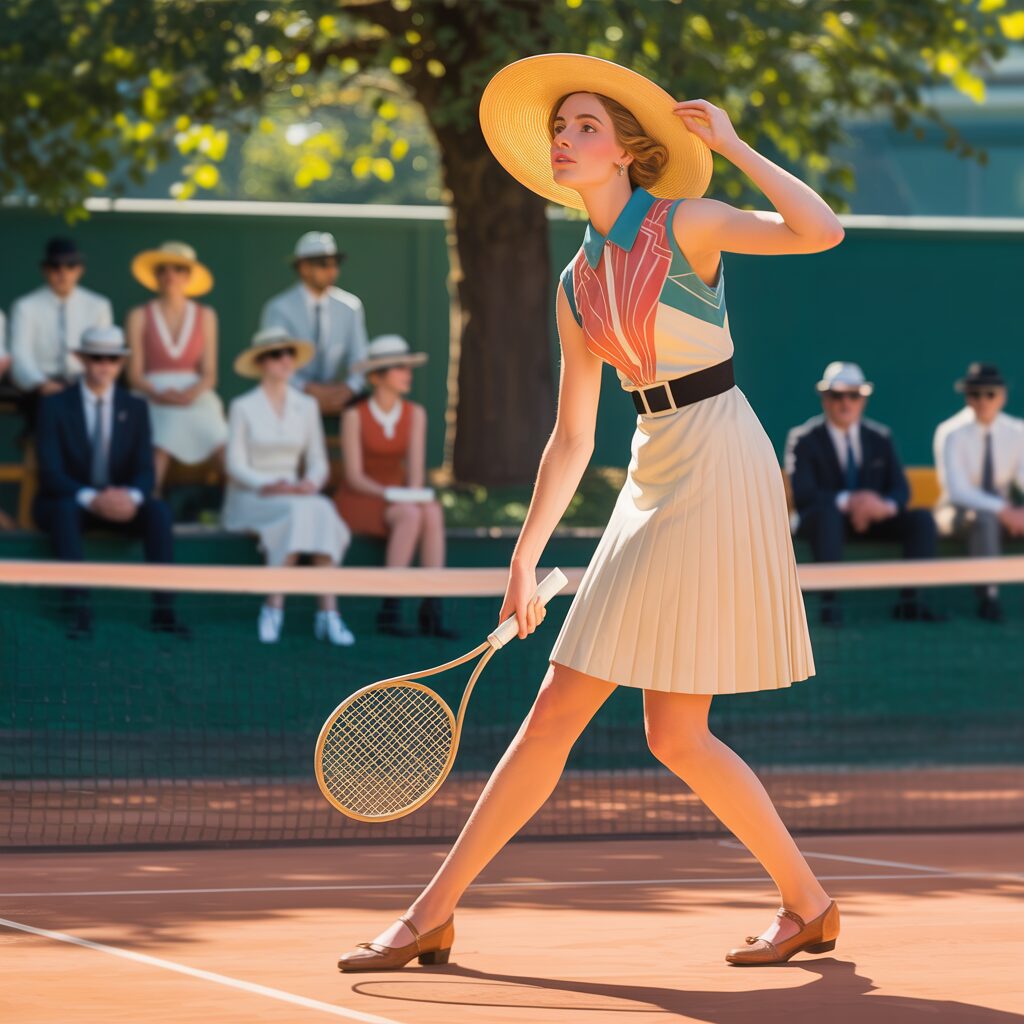
Designer Sonia Delaunay created bold, geometric-patterned sportswear that brought art into athletic clothing. Her designs influenced both European and American fashion.
1920s Fashion Trends for Women, Vogue, and High Society
Fashion magazines like Vogue documented the most elegant styles of the decade. 1920s fashion trends for women represented the height of sophistication and luxury.
Evening Glamour
Wealthy women in Paris, London, and New York wore:
- Bias-cut silk gowns
- Dresses covered in hand-sewn beads
- Imported fabrics from France and Italy
- Custom-made shoes and accessories
Designers like Jeanne Lanvin created romantic, feminine evening wear with intricate embroidery and flowing silhouettes. Her robes de style featured full skirts supported by panniers, offering an alternative to the straight flapper silhouette.
Couture Details
High fashion pieces featured exceptional craftsmanship:
- Hand-beaded patterns take hundreds of hours to complete
- Delicate lace and embroidery
- Silk linings and hidden closures
- Perfect fit achieved through multiple fittings
Elsa Schiaparelli brought surrealist influences to fashion later in the decade. Her innovative designs challenged traditional ideas about what clothing could communicate.
Essential Accessories of the Era
Accessories played a crucial role in completing the 1920s look. Women invested in statement pieces that elevated simple dresses.
Statement Accessories Table
| Accessory Type | Popular Styles | Materials Used |
| Headwear | Cloche hats, headbands, bandeaux | Felt, silk, beads, feathers |
| Necklaces | Long pearl strands, pendant necklaces | Pearls, crystals, jet beads |
| Handbags | Beaded evening bags, leather day purses | Beaded fabric, leather, mesh |
| Shoes | T-strap heels, Mary Janes, Oxford flats | Leather, satin, patent |
| Wraps | Feather boas, fur stoles, beaded capes | Ostrich feathers, fox fur, silk |
| Gloves | Long evening gloves, short day gloves | Kid leather, silk, cotton |
Outerwear Options
Women needed stylish outerwear for the variable weather in cities like Chicago and London:
- Fur coats for wealthy women, often in fox or mink
- Wool coats with fur trim for middle-class women
- Lightweight jackets for spring and fall
- Fringe shawls for evening events
- Capes for dramatic entrances
Hair and Beauty Trends
The 1920s brought revolutionary changes to how women styled their hair and applied makeup.
Bobbed Hair Styles
The bob haircut symbolized the modern woman. Variations included:
- The classic bob, cut straight at jaw level
- The shingle, cut very short at the nape
- The Eton crop is an extremely short style
- The Marcel wave, featuring sculpted waves
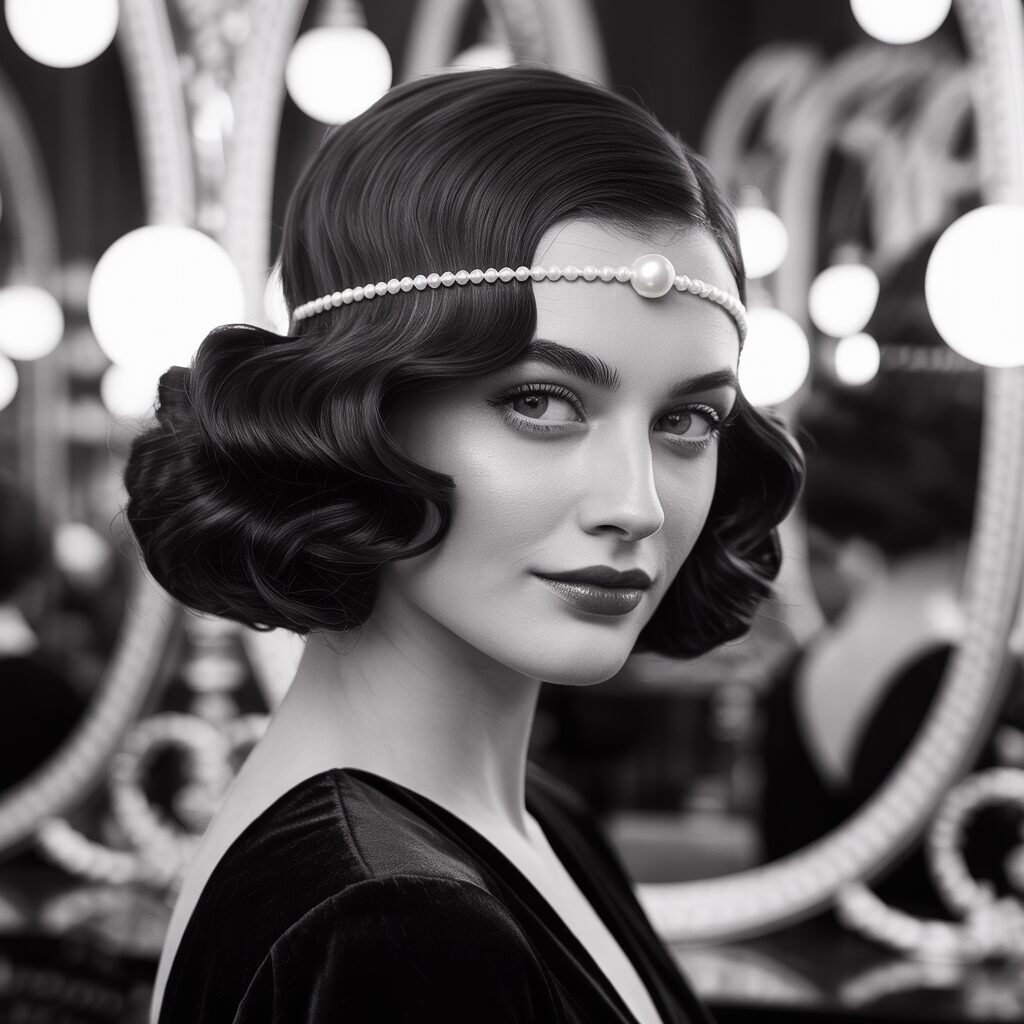
Hilda Steward and other hairstylists developed techniques to create these looks. The Marcel wave used hot irons to create S-shaped waves that framed the face elegantly.
If you are looking for modern hairstyle inspiration with vintage influences, explore our complete hairstyle collection for ideas that blend classic and contemporary elements.
Makeup Revolution
Before the 1920s, respectable women wore little visible makeup. The decade changed everything:
- Dark, defined eyebrows
- Kohl-rimmed eyes
- Cupid’s bow lipstick in red or dark berry shades
- Pale, powdered skin
- Rouge applied in circles on the cheeks
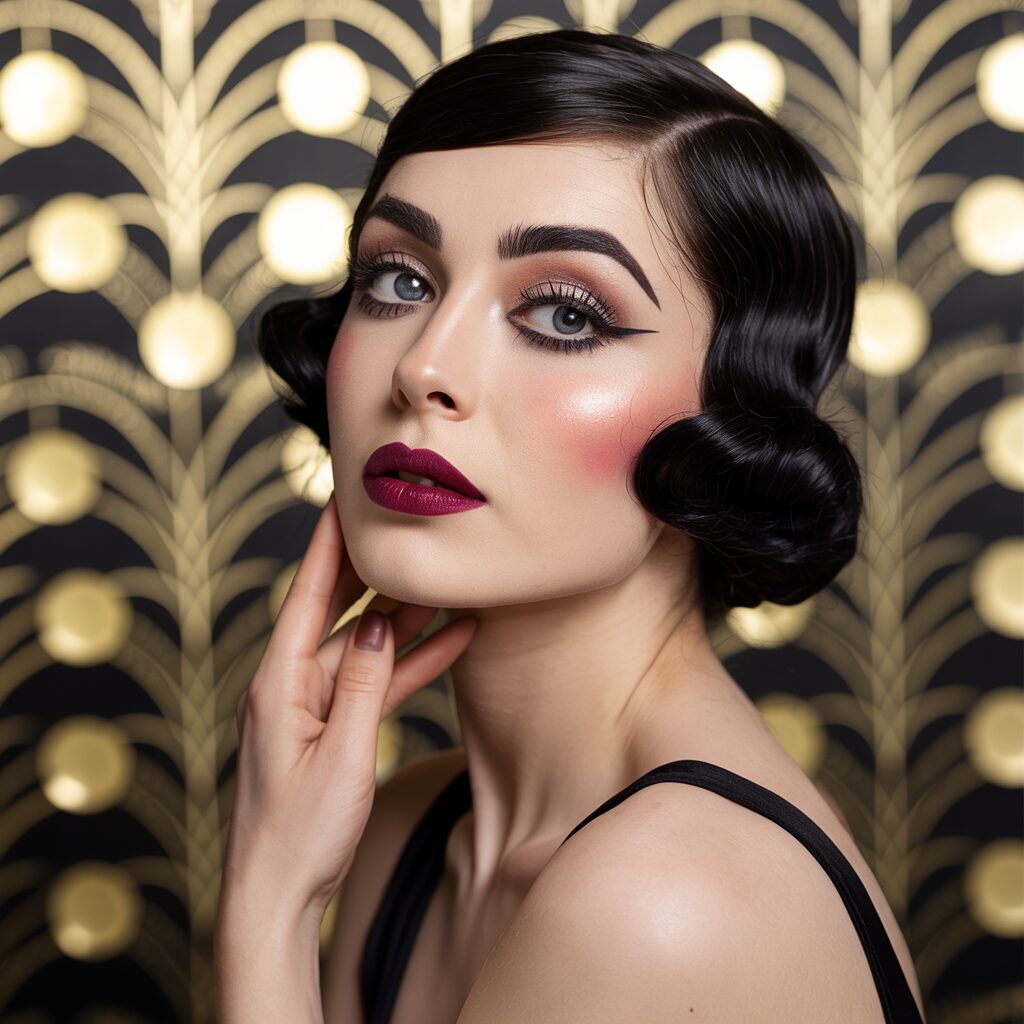
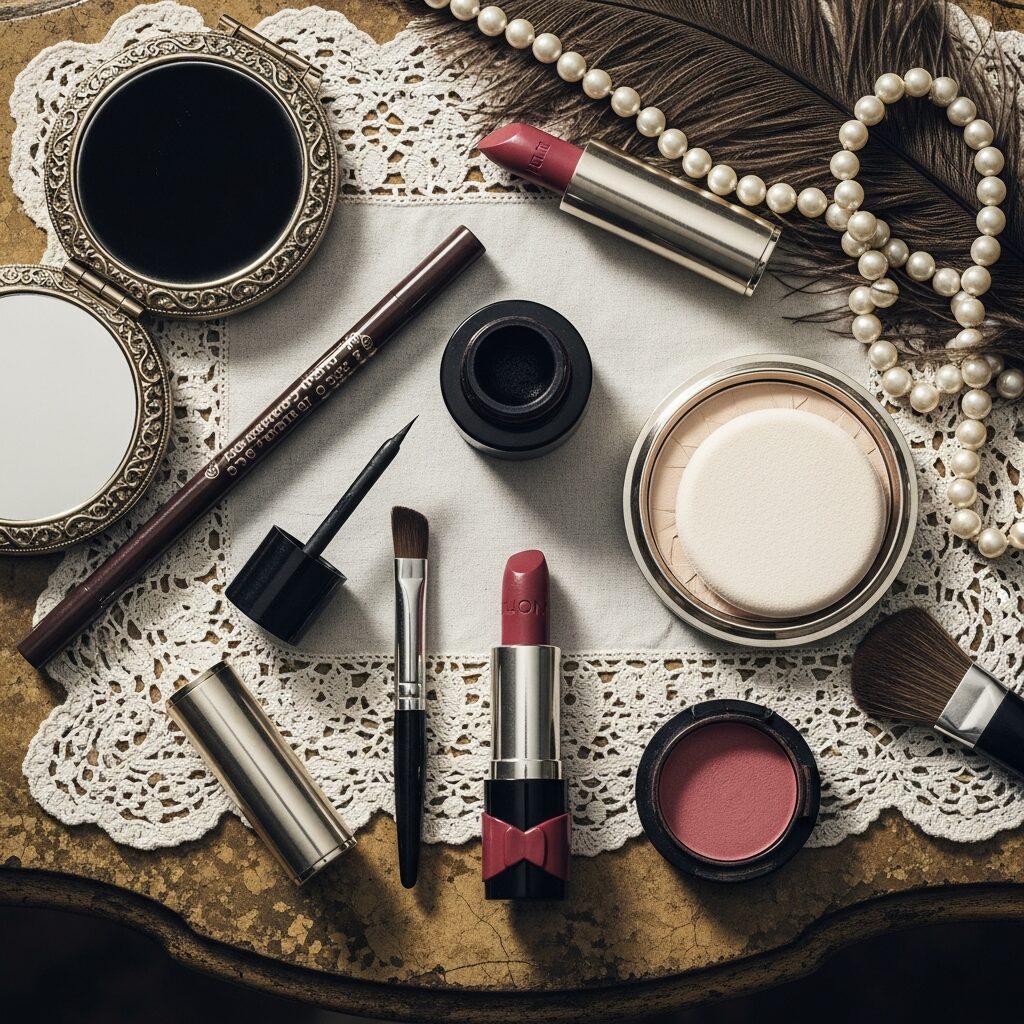
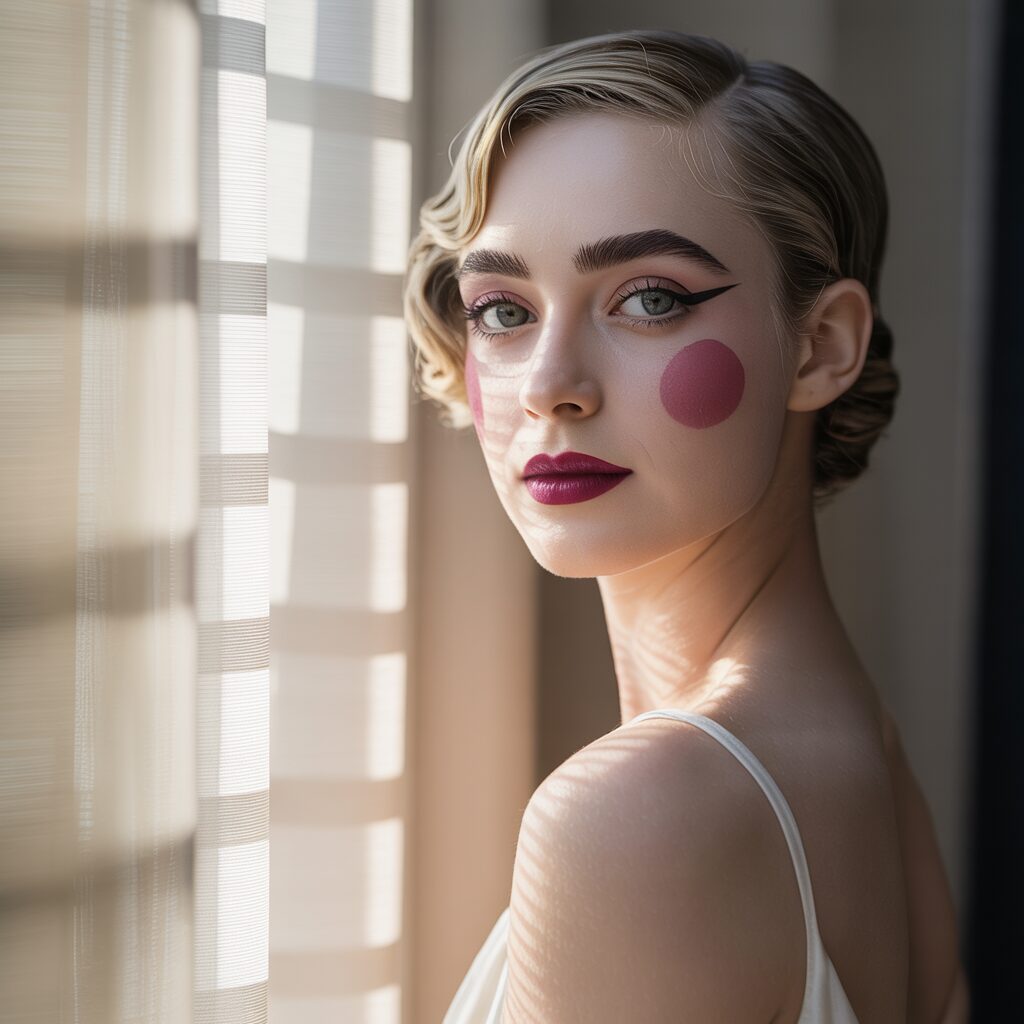
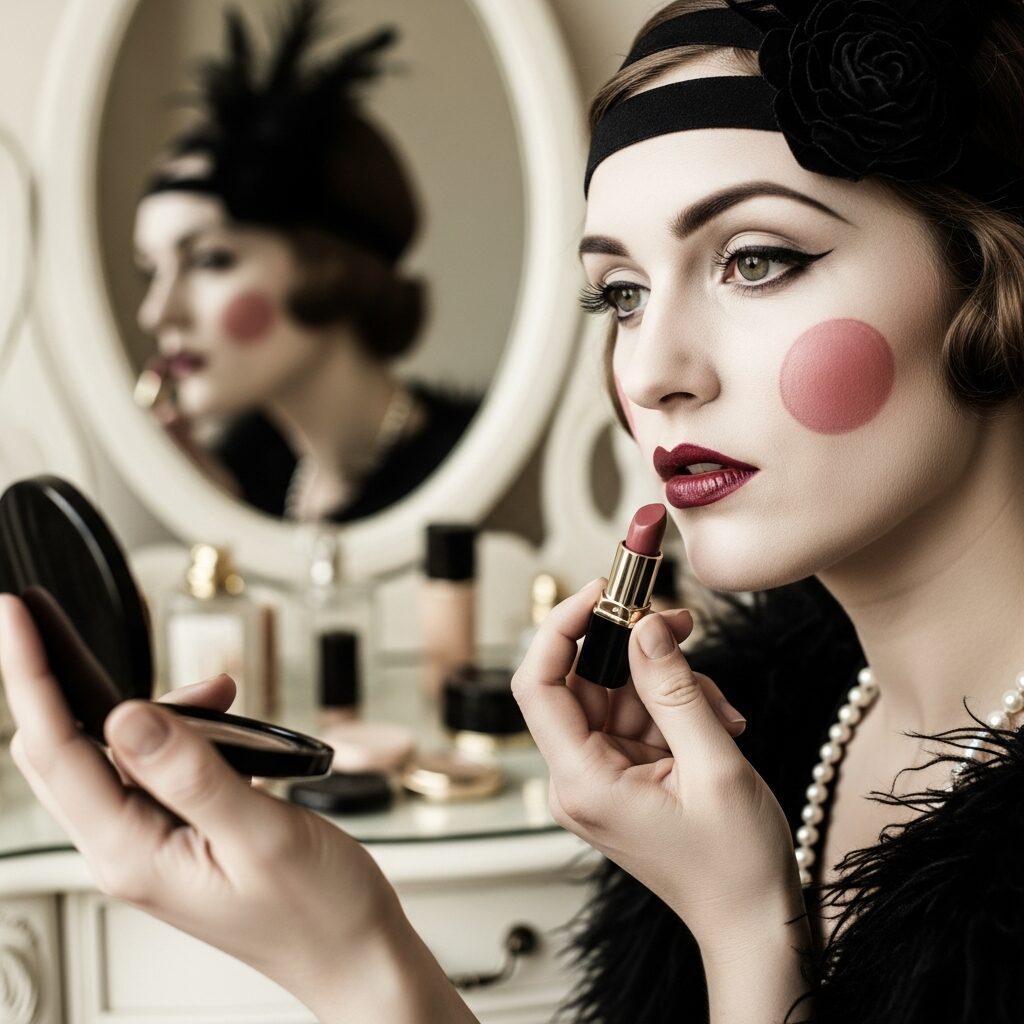
Cosmetics became socially acceptable and even expected for fashionable women. Compact mirrors and lipstick tubes became essential accessories.
Designers Who Shaped 1920s Fashion
Several visionary designers created the looks that defined the decade.
Gabrielle Coco Chanel
Chanel revolutionized women’s fashion by introducing:
- The little black dress is a wardrobe staple
- Jersey fabric for everyday wear
- Costume jewelry as an acceptable accessory
- Simple, elegant sportswear
- The collarless cardigan jacket
Her philosophy emphasized comfort and practicality without sacrificing elegance. Chanel believed women should dress for themselves, not to attract men.
Jeanne Lanvin
Lanvin created romantic, feminine designs that appealed to women who preferred softer silhouettes:
- Mother-daughter matching outfits
- Robes de style with full skirts
- Elaborate embroidery and beadwork
- Rich, carefully developed colors
Her designs offered an alternative to the boyish flapper look while still embracing modern sensibilities.
Sonia Delaunay
This artist-designer brought bold geometric patterns and bright colors to fashion:
- Simultaneous contrast color combinations
- Abstract patterns on clothing and accessories
- Textile designs that doubled as art
- Costume designs for theater and film
Delaunay’s work in Paris influenced fashion, interior design, and graphic arts throughout the decade.
How to Dress in 1920s Style Today
Many people want to recreate the 1920s look for themed parties, weddings, or simply because they love the aesthetic.
Building a 1920s-Inspired Outfit
Start with these key elements:
- Choose a straight silhouette dress with a dropped waist
- Add fringe, beads, or sequins for authentic detail
- Select T-strap heels or Mary Jane shoes
- Accessorize with pearls and a headband
- Style hair in waves or a faux bob
For those planning a vintage-inspired celebration, our wedding dress ideas section includes options that incorporate 1920s elements beautifully.
Where to Find 1920s-Inspired Pieces
- Vintage shops and estate sales
- Online vintage retailers
- Modern stores during Gatsby-themed seasons
- Costume shops for accessories
- DIY modifications to contemporary pieces
1920s Fashion Facts You Should Know
Understanding the context behind the clothing makes the era more meaningful.
Quick Facts Table
| Fact Category | Detail |
| Average dress length | Knee-length by mid-decade |
| Most popular fabric | Silk, rayon, and jersey |
| Typical colors | Black, gold, silver, jewel tones |
| Influential cities | Paris, New York, London, Berlin |
| Key historical context | Post-WWI prosperity, Prohibition, Jazz era |
| Cultural names | Roaring Twenties, Golden Age, Années folles |
The Influence of World War I on Fashion
World War I fundamentally changed women’s roles in society. With men away fighting, women took jobs in factories, offices, and farms. They needed practical clothing that allowed them to work effectively.
Post-War Changes
After WWI ended in 1918, these practical styles persisted:
- Shorter hemlines stayed fashionable
- Simpler silhouettes replaced elaborate pre-war designs
- Ready-to-wear clothing became standard
- Class distinctions in dress became less obvious
The war also led to fabric shortages, which encouraged simpler designs that used less material. Designers adapted by creating elegant looks with minimal yardage.
Regional Differences in 1920s Fashion
While Paris set the trends, women in different locations adapted styles to their needs and climates.
North American Style
Women in New York and Chicago embraced:
- Department store fashion
- Ready-to-wear interpretations of Paris designs
- Practical adaptations for varied climates
- Hollywood-influenced glamour
European Variations
In France, the Années folles, or the Crazy Years, brought experimental fashion. Berlin developed its own cabaret-influenced style. London balanced tradition with modern influences.
Undergarments and Foundation Pieces
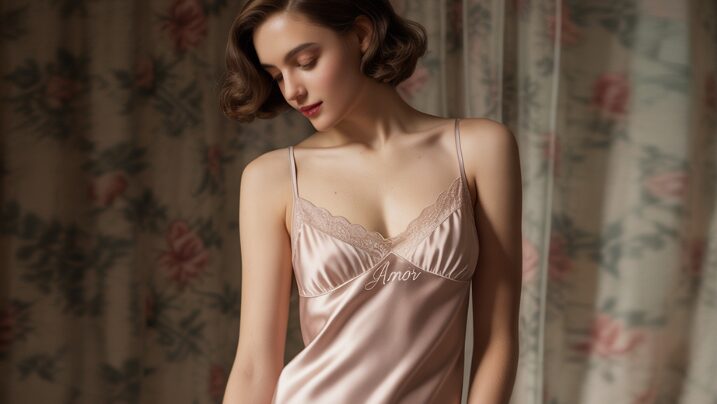
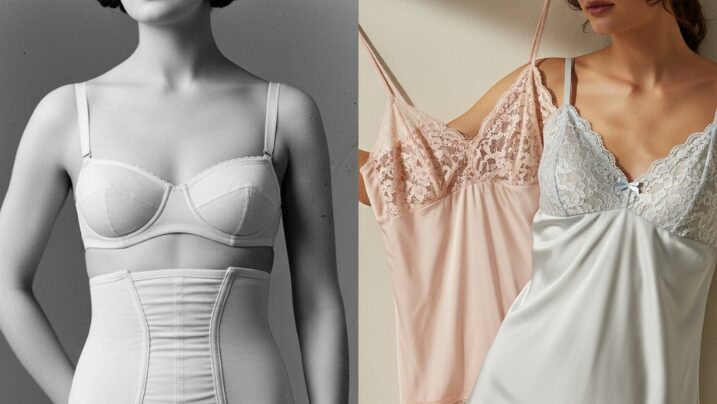
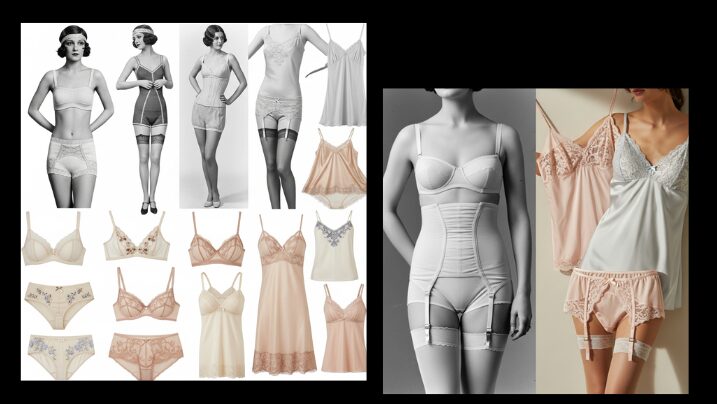
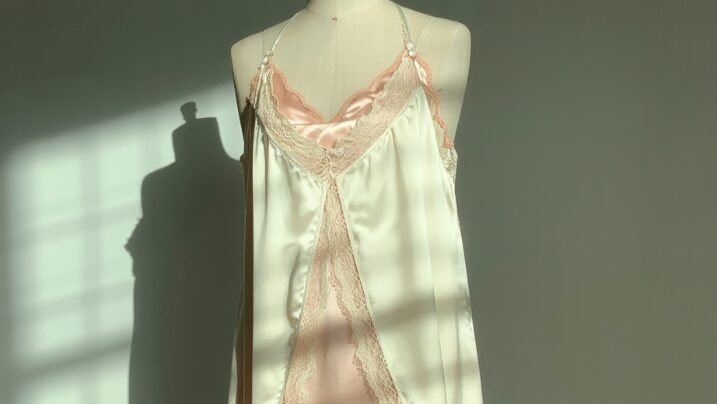
The dramatic change in outer silhouettes required new undergarments. If you are curious about vintage-inspired intimate apparel, our innerwear ideas for girls section offers modern options with classic influences.
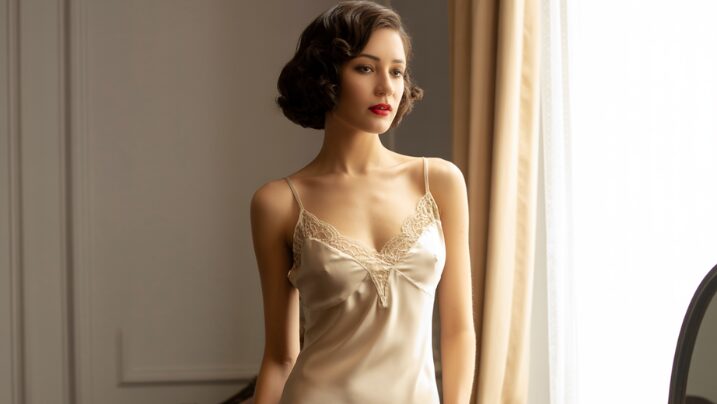
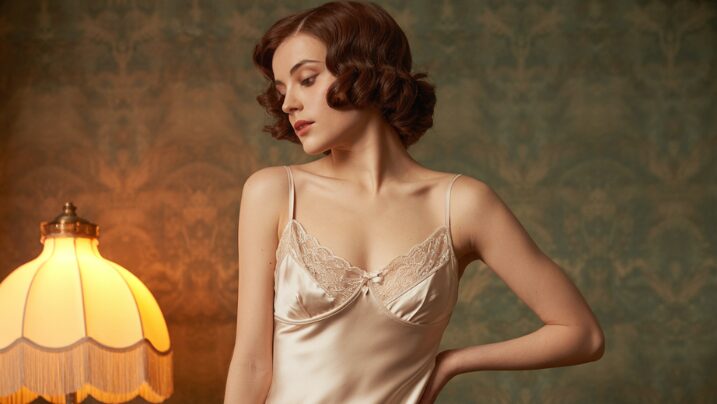
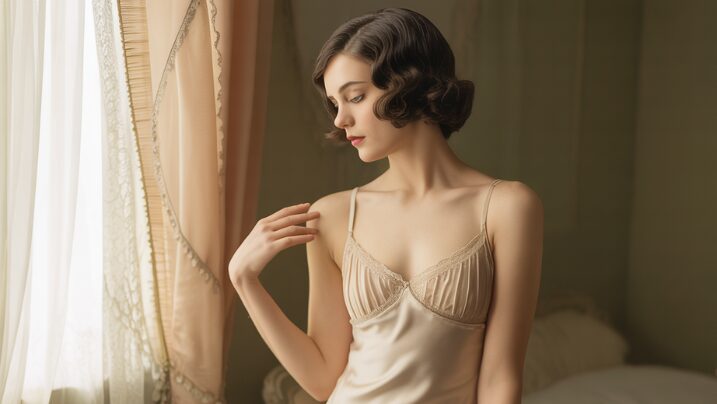
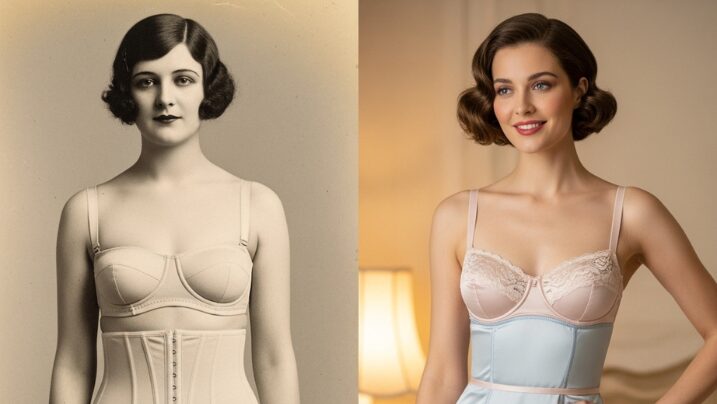
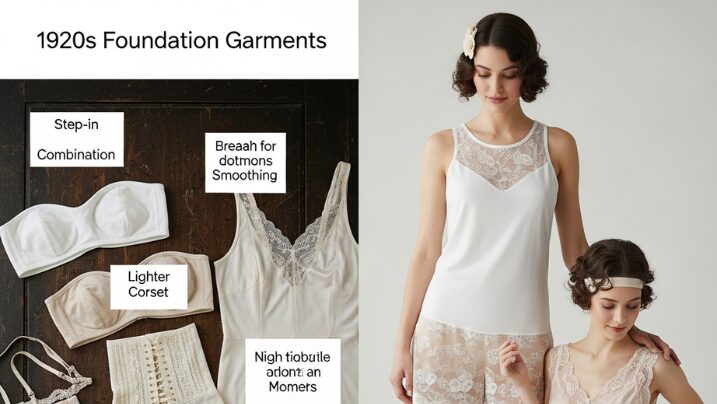
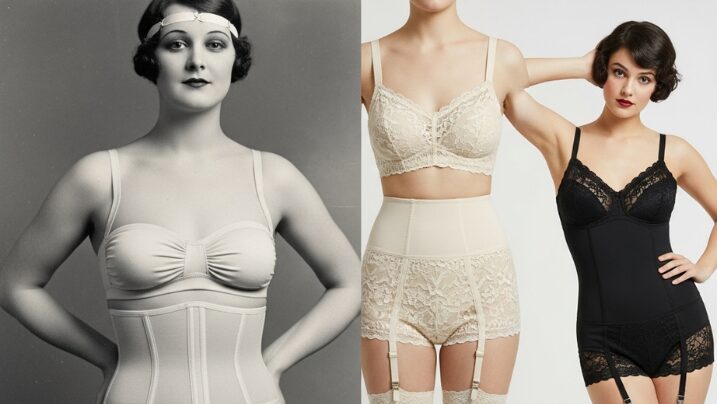
1920s Foundation Garments
- Bandeau bras that flattened the bust
- Step-in combinations replacing separate pieces
- Lighter corsets that smoothed rather than shaped
- Silk stockings held up by garter belts
- Camisoles and slips in silk or rayon
These undergarments created the smooth, boyish silhouette that fashion demanded. They were far more comfortable than the rigid corsets of previous decades.
The Role of Consumer Culture
Economic prosperity after WWI created new consumer habits. Women had money to spend and stores eager to sell fashionable goods.
Shopping and Fashion Access
- Department stores brought fashion to smaller cities
- Mail-order catalogs reached rural customers
- Fashion magazines showed current trends
- Advertising created a desire for new styles
This consumer culture meant fashion was no longer limited to wealthy women. Middle-class and working-class women could participate in current trends, even if through less expensive versions.
How 1920s Fashion Changed Society
Clothing choices during this decade reflected bigger social changes.
Women’s Liberation Through Fashion
- Shorter skirts symbolized freedom of movement
- Practical clothing enabled workforce participation
- Makeup acceptance represented personal choice
- Bobbed hair rejected traditional femininity
These fashion choices announced that women wanted equality and independence. The flapper was not just a style icon but a symbol of changing gender roles.
Completing Your Vintage Look
For a truly authentic 1920s-inspired appearance, consider your entire presentation.
Nail Style
Period-appropriate manicures featured shorter, rounded nails in deep red or natural tones. For modern nail design ideas with vintage flair, visit our nail design collection.
Final Touches
- Practice confident posture
- Study period photographs for inspiration
- Choose accessories that complement rather than compete
- Balance authentic elements with personal style
Frequently Asked Questions
What Were the Fashion Trends of the 1920s?
The main fashion trends included knee-length tubular dresses, dropped waistlines, bobbed hair, cloche hats, and bold accessories. Women embraced shorter hemlines, looser silhouettes, and Art Deco-influenced designs. The flapper style represented the most dramatic trend, featuring beaded dresses, fringe details, and dramatic makeup.
How Did Women Dress in the 1920s for Everyday Activities?
For daily life, women wore practical house dresses, middy style tops with pleated skirts, and comfortable separates. Working women chose clothing that allowed movement and required minimal maintenance. Casual daytime looks were simpler versions of fashionable evening styles.
What Was the 1920s Fashion Name?
The decade is known by several names, including the Roaring Twenties, the Jazz Age, the Golden Age of fashion, and in France, the Années folles or Crazy Years. The most iconic style of the period is called flapper fashion.
Who Were the Most Important Designers of the 1920s?
Gabrielle Coco Chanel, Jeanne Lanvin, Elsa Schiaparelli, and Sonia Delaunay shaped fashion during this decade. Chanel introduced practical elegance, Lanvin created romantic designs, Schiaparelli brought surrealist influences, and Delaunay merged art with clothing.
Where Can I See Authentic 1920s Women’s Fashion Pictures?
Museums like the Metropolitan Museum of Art in New York and the Victoria and Albert Museum in London have extensive fashion archives. Fashion magazines from the period, available in digital archives, show authentic period styling. Vintage photograph collections also document how ordinary women dressed.
Conclusion
The 1920s transformed how women dressed and presented themselves to the world. From the practical house dress to the glamorous beaded evening gown, this decade offered clothing options that matched women’s expanding roles in society.
Understanding 1920s fashion trends for women requires looking beyond the clothing itself. The styles reflected economic prosperity, social liberation, and cultural revolution. Women in Paris, New York, London, and beyond used fashion to express independence and modernity.
Whether you want to recreate a vintage look or simply appreciate fashion history, the 1920s offer endless inspiration. The principles of that era, clothing that allows movement, expresses personality, and brings joy to the wearer, remain relevant today.
- Homepage: Explore our homepage for comprehensive style guides
- Nails Design: Visit our nail design collection for manicure ideas
- Hairstyle: Explore our complete hairstyle collection
- Wedding Dress Ideas: Our wedding dress ideas section includes vintage-inspired options
- Inner Wear Ideas for Girls: Our inner wear ideas for girls section offers modern options
For more style inspiration across categories, explore our homepage, where you will find comprehensive guides to modern fashion with timeless influences.