
10 Ideas mid length thin hair here’s how to transform limp locks into voluminous, stylish strands. If you’ve been struggling to find flattering hairstyles that don’t accentuate your hair’s thinness, you’re in the right place. In this guide, you’ll get proven haircut ideas, styling strategies, care routines, and product insights to help your mid‑length hair appear thicker, healthier, and more vibrant.
Why Mid-Length Works Best for Thin Hair
Choosing the right length is crucial. Mid-length (around shoulder to collarbone) offers the sweet spot between too short (which may emphasize fine texture) and too long (which can weigh hair down). Experts recommend layered mid-length cuts to build dimension without sacrificing fullness.
Also, long hair tends to get limp near the ends, reducing volume.
By staying mid-length, you retain movement, bounce, and styling flexibility.
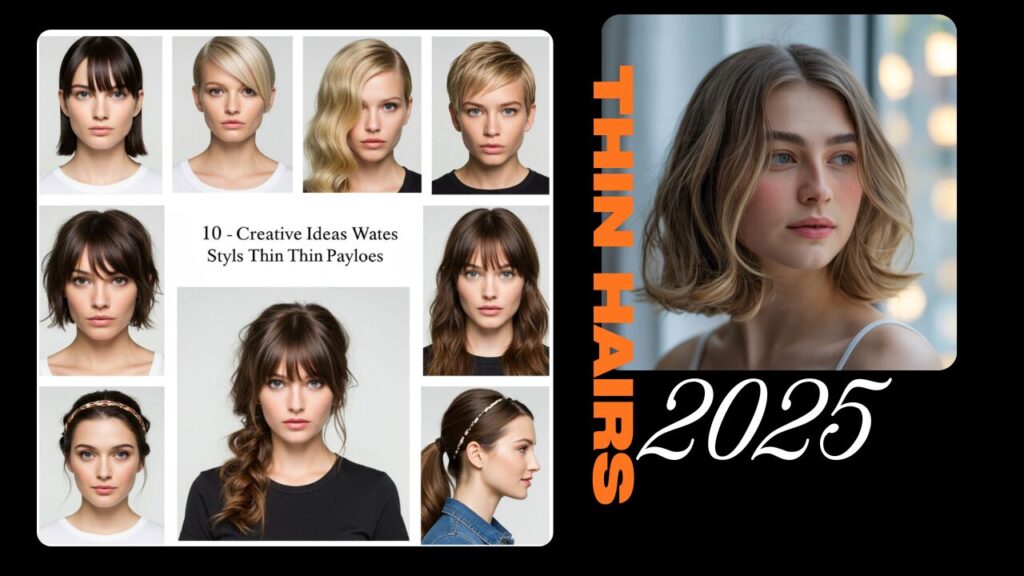
10 Flattering Haircut Ideas for Mid-Length Thin Hair
Below are 10 proven haircut ideas to maximize fullness and style for fine or thin mid-length hair:
| # | Hairstyle Idea | Why It Works | Styling Tip |
|---|---|---|---|
| 1 | Layered Lob with Side Bangs | Layers and side bangs break monotony and add lift. | Blow‑dry bangs away from face, use round brush to lift roots. |
| 2 | Textured Lob / Wavy Lob | Texture gives visual volume by breaking straight lines. | Use salt spray or light texturizer and scrunch gently. |
| 3 | Blunt Mid-Length Cut (No Layers or Minimal) | A blunt edge gives the illusion of thickness at the ends. | Keep ends healthy and straight with smoothing products. |
| 4 | Feathered / Soft Layers | Soft, feathered layers maintain movement without overly thinning ends. | Ask your stylist for face‑framing, gentle layering. |
| 5 | Curtain or Wispy Bangs + Wispy Layers | Bangs help frame the face and create fullness in front. | Blow bangs parted center, curl ends gently outward. |
| 6 | Asymmetrical Lob | Uneven lengths add edge and draw attention away from thinness. | Keep shorter side just long enough to style; balance with texture. |
| 7 | Stacked Back / Graduated Back Layers | Adds lift at the back, creating a fuller “frame” silhouette. | Maintain regular trims to keep shape. |
| 8 | Shoulder-Grazing Waves / Tousled Layers | Soft waves break up flatness and add bounce. | Use a 1‑inch barrel, leave ends loose, finish with light hairspray. |
| 9 | Feathered Ends + Angle Cut | Slight tapering gives an airy look and avoids heavy ends. | Ask stylist to slice ends lightly rather than blunt cut. |
| 10 | Soft Ghost Layers | Subtle ghost layers in the top section create movement but the ends remain blunt for thickness. Glamour | Ghost layers should be minimal and blended to avoid seams. |
Note: You don’t need to try all these ideas. Choose one or two that suit your face shape, hair texture, and maintenance level.
How to Choose the Right Cut for You
1. Consider Your Face Shape
- Round or square faces: Lobs with side bangs or asymmetrical cuts help elongate the face.
- Oval faces: Most styles work; try wispy layers or curtain bangs.
- Heart-shaped faces: Soft fringe with volume at the chin balances forehead width.
2. Hair Texture & Density
- If hair is extremely fine, avoid heavy layering—stick to delicate cuts like ghost layers or slight feathering.
- For medium density thin hair, more textural styles (waves, stacked backs) are okay.
3. Styling Effort & Maintenance
- Blunt cuts and minimal layers require fewer touchups but careful styling to avoid limp looks.
- Textured and layered styles may need more frequent trims and product use.
Styling & Care Tips to Boost Volume and Health
Even the most flattering cut needs care and smart styling to maximize fullness. Below are key strategies:
Root Lift & Blow‑Dry Techniques
- Blow-dry hair upside down briefly to encourage lift at the roots.
- Use a round brush at the crown, pulling hair up as you dry.
Lightweight Volumizing Products
- Use mousse, volumizing sprays, or root-lift foams.
- Avoid heavy creams or oil-based formulas near the scalp—they weigh hair down.
Dry Shampoo & Texture Sprays
- Dry shampoo adds “grip” to clean hair and helps maintain volume between washes.
- Texture spray gives a tousled look without bending hair flat.
Gentle Handling & Hair Health
- Use a wide-tooth comb or detangle when hair is damp, not dry.
- Sleep on silk/satin pillows to reduce friction and breakage.
- Trim split ends every 6–8 weeks to preserve shape and fullness.
Limit Heat Damage
- Use low-to-medium heat settings (around 300–350 °F) for styling tools.
- Always apply a heat protectant before styling.
- Include some heat-free days (braids, air-drying with products) in your routine.
For Latest updates Visit Our Home page
Common Questions (FAQ)
Q: Will adding layers always make thin hair look better?
A: Not always. Heavy or choppy layers can make thin hair look even thinner. Gentle, blended layers like ghost layers or feathered ends are safer.
Q: How often should I trim mid-length thin hair?
A: Every 6–8 weeks to maintain shape, remove split ends, and preserve the illusion of volume.
Q: Is coloring or highlighting okay for thin hair?
A: Yes—subtle highlights or balayage help create dimension, making hair look fuller. But avoid heavy bleaching that weakens hair.
Q: Can thin hair be styled up or braided well?
A: Yes, but avoid tight braids or heavy updos that pull on the hair. Use texture sprays or loose braids to add fullness.
Suggested Video Tutorial
Here’s a helpful video walkthrough showing how to style mid-length thin hair with layers and waves (for volume):
(It demonstrates layering cuts, blow-dry techniques, and product use in real time.)
Conclusion & Action Plan
By now, you have 10 ideas mid length thin hair to explore—ranging from blunt cuts to textured, feathered styles. But a great haircut is only half the journey. To bring out the fullness, you need supportive styling techniques, suitable products, and consistent care.
Action steps:
- Pick 1–2 haircut ideas from the list that suit your face and maintenance preference.
- Consult with a trusted stylist, showing them these styles and explaining your thin hair concerns.
- Build a lightweight styling routine: volumizing mousse, root lift, dry shampoo, gentle drying techniques.
- Trim regularly, maintain hair health, and protect against heat damage.